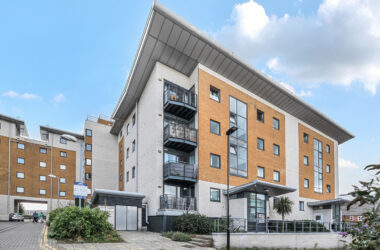

Commercial investing can look deceptively simple on paper: buy a unit, secure a tenant, collect rent. In reality, commercial deals tend to reward the people who slow down and check the boring details. If you’re exploring Cyprus real estate opportunities, it helps to think less like a homebuyer and more like a business owner assessing risk, cash flow, and the strength of the contract you’re buying into.
What “Yield” Really Means (And Why It Can Be Misleading)
Yields are useful, but they’re not the whole story. A headline yield might look strong, yet the net return can be eroded by vacancy risk, incentives to attract tenants, maintenance obligations, service charges, and the cost of refurbishments between leases.
A simple way to sanity-check a deal is to ask:
- Is the rent sustainable for this location and unit type?
- How easy would it be to re-let if the tenant leaves?
- What costs sit with you as the landlord (repairs, insurance, building charges)?
If you’re comparing Cyprus properties across different cities or asset types, try to compare like with like—a street-front retail unit behaves very differently from a small office, a warehouse, or a tourist-led hospitality space.
Tenants: You’re Not Buying Bricks, You’re Buying A Relationship
In commercial property, the tenant often matters as much as the building. A reliable tenant on sensible terms can make an average property perform well. A weak tenant (or a lease full of loopholes) can turn a “great yield” into a headache.
Things to look at closely:
- Tenant strength: Are they established? Do they have multiple sites? Any signs they’re over-stretched?
- Lease length and break clauses: Longer isn’t always better if there are easy exits.
- Rent review terms: How and when can rent be adjusted?
- Use of premises: Is the permitted use clear, and does it match the actual business?
- Who pays what: Repairs, fitout, maintenance, service charges—get it explicit.
A quick reality check: if the tenant left tomorrow, could the space be re-let without major changes? That’s where location, frontage, parking, access, and flexibility become critical.
Location and Use: The “Demand Story” Matters
Commercial property is less forgiving than residential. A flat in a good city can rent even if it’s not perfect. A commercial unit with the wrong configuration can sit empty for months.
When looking at Cyprus properties for sale, pay attention to the demand drivers for the specific asset:
- Retail: footfall, visibility, nearby anchors, parking, seasonality
- Offices: access, building quality, lift/amenities, layout efficiency
- Industrial/warehouse: logistics routes, turning circles, loading, ceiling height
- Hospitality: tourism patterns, licensing, noise considerations, staffing realities
Try to understand what would keep the next tenant interested—because “exitability” is a big part of commercial returns.
Due Diligence Basics: What to Check Before You Commit
This is the part that protects you. A good lawyer and a cautious approach usually cost far less than a mistake.
Key checks typically include:
- Title and ownership: Confirm clear title, boundaries, and that the seller can legally sell.
- Planning and permits: Ensure the property is authorised for its current use and any alterations.
- Tenancy documents: Read the lease, any renewals, side letters, deposit deeds, and guarantees.
- Outstanding obligations: Verify service charges, common-area responsibilities, and building rules.
- Physical condition: A survey can reveal moisture issues, structural concerns, roof problems, or ageing services.
- Compliance: Fire safety provisions and any building compliance requirements should be understood upfront.
If you’re buying properties in Cyprus as a non-resident, it’s also worth being clear on how you’ll manage inspections, repairs, and tenant relationships from abroad (or whether you’ll appoint a local manager).
The Practical Side Of “Net Yield”
To get closer to a real-world yield, think about these recurring costs:
- Building insurance and landlord insurance (as applicable)
- Maintenance and repairs (especially air conditioning and plumbing)
- Service charges / common-area fees (if in a managed building)
- Periodic refurbishment between tenants
- Professional fees (legal, accounting, property management)
- Vacancy allowance (even good properties can have gaps)
Many investors do better by underwriting a conservative outcome and being pleasantly surprised, rather than stretching assumptions to make the numbers work.
Questions Worth Asking
When you’re assessing real estate Cyprus, these questions can quickly separate a solid commercial deal from a fragile one:
- What’s the tenant history here—stable or constant turnover?
- Why is it being sold now?
- Are there any upcoming building works or special levies?
- Are there restrictions on signage, hours, deliveries, or fitouts?
- What would it cost (roughly) to adapt the space for a different tenant type?
You’re essentially checking whether you’re buying a flexible asset—or a single-use space that only suits one kind of occupant.
Final Thought
The best commercial Cyprus real estates often look a bit “unexciting”: a sensible tenant, a clear lease, manageable running costs, and a property that could attract a second or third type of occupier if needed. That’s the kind of deal that tends to hold up across market cycles.
And if you see the phrase used loosely online, remember: commercial property isn’t one market. It’s dozens of micro-markets—each with its own tenant demand, risk profile, and learning curve. The good news is that with steady due diligence and realistic expectations, Cyprus can offer commercial opportunities that feel refreshingly straightforward once the fundamentals are nailed.