A modern kitchen is not just a place for cooking; it is the heart of the home where meals are prepared, conversations happen, and memories are created. However, cooking often produces smoke, steam, grease, and strong odors that can quickly fill the space and make the environment uncomfortable. This is where a cooker hood becomes an essential appliance. Designed to improve air quality and keep kitchens clean, a cooker hood removes airborne grease, smoke, and cooking smells while enhancing the overall cooking experience. In this article, we will explore everything you need to know about cooker hoods, including their benefits, types, features, and tips for choosing the right one for your kitchen.
What Is a Cooker Hood?
A cooker hood, also known as a range hood or kitchen hood, is an appliance installed above the stove or cooktop. Its primary function is to extract smoke, heat, grease particles, and odors produced during cooking. It does this through a fan and filtration system that either vents the air outside or recirculates filtered air back into the kitchen.
Read More: HOW TO FIX POOR KITCHEN LAYOUTS DURING REMODELING
Cooker hoods are especially important in modern homes where open-plan kitchens are common. Without proper ventilation, cooking fumes can spread throughout the house, causing unpleasant smells and grease buildup on walls and cabinets. By installing a cooker hood, homeowners can maintain a cleaner, fresher, and healthier kitchen environment.
Benefits of Installing a Cooker Hood
One of the most significant benefits of a cooker hood is improved air quality. Cooking releases particles and gases that can affect indoor air, especially when frying, grilling, or cooking with high heat. A cooker hood effectively removes these pollutants and ensures that the air remains fresh.
Another advantage is the reduction of grease buildup. Without proper ventilation, grease particles settle on kitchen surfaces, making cleaning more difficult. A cooker hood captures these particles before they spread, helping to keep cabinets, walls, and countertops cleaner.
Cooker hoods also help control the heat and steam produced during cooking. This is particularly useful in smaller kitchens where heat can quickly accumulate. By removing excess heat and moisture, a cooker hood creates a more comfortable cooking environment.
In addition, many modern cooker hoods come with built-in lighting that illuminates the cooking area. This extra lighting improves visibility while preparing meals and adds a stylish element to the kitchen.
Types of Cooker Hoods
Cooker hoods come in several styles and designs to suit different kitchen layouts and preferences.
Wall-Mounted Cooker Hoods
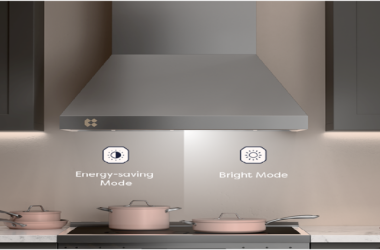
These are one of the most common types. Wall-mounted cooker hoods are installed directly on the wall above the stove and often feature a chimney-style design. They are ideal for kitchens where the cooktop is positioned against a wall.
Island Cooker Hoods
Island cooker hoods are designed for kitchens with a cooktop located on a central island. They are suspended from the ceiling and provide ventilation from above. These hoods often have sleek and modern designs, making them a popular choice for contemporary kitchens.
Under-Cabinet Cooker Hoods
Under-cabinet models are compact units installed beneath kitchen cabinets. They are perfect for smaller kitchens or spaces where a full-sized hood may not fit. Despite their compact design, they still provide effective ventilation.
Built-In or Integrated Cooker Hoods
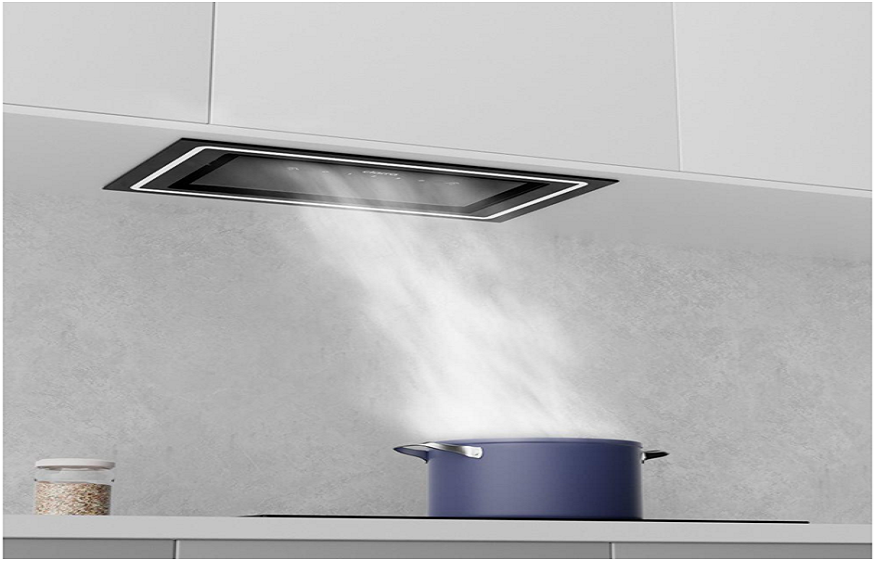
These hoods are installed within kitchen cabinets, making them almost invisible. Integrated cooker hoods are ideal for homeowners who prefer a clean and minimalist kitchen design.
Downdraft Cooker Hoods
Downdraft systems are built into the countertop and rise when needed. Instead of pulling air upward, they draw smoke and fumes downward. This design is often used in modern, high-end kitchens.
Key Features to Consider
When selecting a cooker hood, it is important to consider several key features to ensure it meets your cooking needs.
Extraction Power
Extraction power determines how effectively the cooker hood can remove smoke and odors. It is usually measured in cubic meters per hour (m³/h). For larger kitchens or heavy cooking, a higher extraction rate is recommended.
Noise Level
Some cooker hoods can be quite noisy, especially at higher fan speeds. If you prefer a quieter kitchen environment, look for models designed with low-noise technology.
Filtration System
Cooker hoods typically use either grease filters or charcoal filters. Grease filters capture grease particles and are often made of metal, which can be washed and reused. Charcoal filters are used in recirculating hoods to remove odors from the air.
Lighting
Many cooker hoods include LED lights that provide bright and energy-efficient illumination for the cooking area. Good lighting improves safety and makes cooking easier.
Control Options
Modern cooker hoods may offer touch controls, remote controls, or even smart features that allow you to control the hood through a smartphone app.
Ducted vs. Recirculating Cooker Hoods
There are two main ventilation methods used by cooker hoods: ducted and recirculating.
Ducted Cooker Hoods
Ducted systems vent air outside through ductwork. This method is highly effective because it removes smoke and odors completely from the kitchen.
Recirculating Cooker Hoods
Recirculating hoods filter the air using charcoal filters and release it back into the kitchen. These are easier to install and are ideal for homes where external ducting is not possible.
Each system has its advantages, and the choice often depends on the kitchen layout and installation possibilities.
Design and Aesthetic Appeal
A cooker hood is not only a functional appliance but also an important design element in the kitchen. Modern cooker hoods are available in a wide variety of materials, including stainless steel, glass, and matte finishes. These options allow homeowners to match the hood with their kitchen décor.
Sleek and minimalist designs are especially popular in contemporary kitchens. Brands like Ciarra offer stylish cooker hood models that combine strong performance with elegant design, making them both practical and visually appealing.
Installation and Maintenance
Proper installation is crucial for a cooker hood to work effectively. The hood should be positioned at the correct height above the cooktop, typically between 60 and 75 centimeters, depending on the type of stove.
Maintenance is equally important. Grease filters should be cleaned regularly to maintain optimal performance. Metal filters can usually be washed in warm soapy water or even in a dishwasher. Charcoal filters, on the other hand, need to be replaced periodically because they cannot be cleaned.
Keeping the exterior of the cooker hood clean also helps maintain its appearance and prevents grease buildup.
Energy Efficiency
Energy efficiency is another factor to consider when purchasing a cooker hood. Many modern models use energy-efficient motors and LED lighting to reduce electricity consumption. Choosing an energy-efficient cooker hood can help lower energy bills while also being environmentally friendly.
Read More: The Smart Investment: Why a Modular Outdoor Kitchen is a Better Value Than a Custom Build
Some models also include automatic sensors that adjust the fan speed depending on the amount of smoke or steam detected. This feature ensures that the hood only uses the necessary amount of power.
Tips for Choosing the Right Cooker Hood
Selecting the right cooker hood depends on several factors. First, consider the size of your cooktop. Ideally, the hood should be at least as wide as the stove to effectively capture smoke and fumes.
Second, think about your cooking habits. If you often cook with high heat, frying, or grilling, a powerful hood with a higher extraction rate will be more suitable.
Third, evaluate your kitchen layout. For example, island kitchens require ceiling-mounted hoods, while wall-based cooking areas may work best with chimney-style hoods.
Finally, consider the design and noise level to ensure the hood complements your kitchen and provides a comfortable cooking experience.
Conclusion
A cooker hood is an essential appliance that significantly improves the functionality and comfort of any kitchen. Removing smoke, grease, odors, and excess heat, it helps maintain a clean and healthy cooking environment. With a wide variety of types, designs, and features available, homeowners can easily find a cooker hood that fits their kitchen layout and personal preferences.
When choosing a cooker hood, it is important to consider factors such as extraction power, noise level, filtration system, and design. Proper installation and regular maintenance will also ensure that the appliance performs efficiently for many years.
Investing in a high-quality cooker hood not only enhances kitchen ventilation but also adds style and value to the home. Whether you have a compact kitchen or a spacious open-plan layout, the right cooker hood can make cooking more enjoyable and keep your kitchen fresh and inviting.