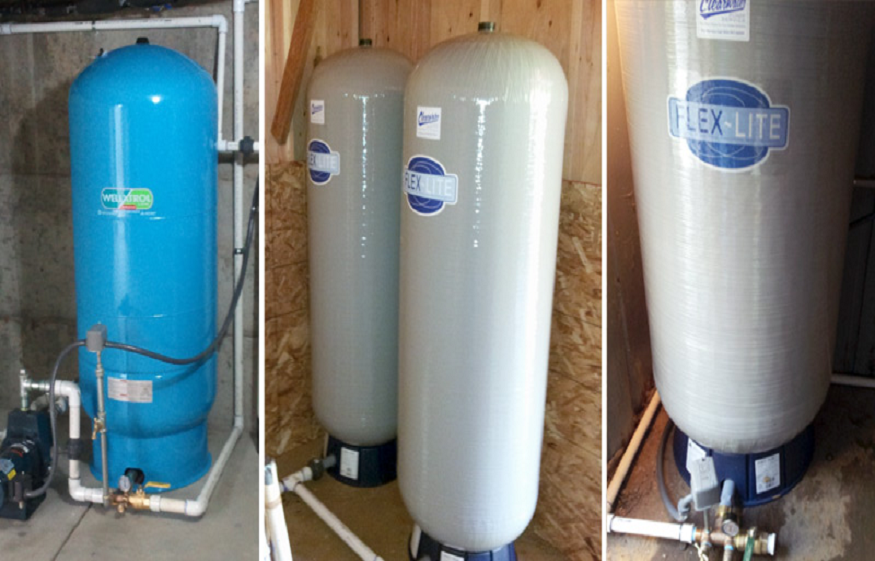
There’s a small, barrel-shaped vessel sitting quietly near your well pump — one that most homeowners never think about until the water stops flowing or the pump starts cycling like a metronome. That vessel is your pressure tank, and understanding what it does, how it fails, and when it needs attention could save you thousands of dollars and a very inconvenient week without running water.
Whether you’re a first-time rural homeowner or you’ve been living with a private well for years, the pressure tank for well pump systems is one of the most misunderstood components in the entire water supply chain. Here’s everything you need to know about it — explained plainly, without the technical fog.
What a Pressure Tank Actually Does
At its core, a pressure tank acts as a buffer between your well pump and the rest of your home’s plumbing. When you turn on a faucet, you’re not triggering the pump directly — you’re drawing water from a pressurized reserve stored inside the tank. The pump only kicks on when that reserve dips below a set threshold, typically around 40 PSI, and it shuts off again once pressure is restored to the upper limit, usually around 60 PSI.
Without this buffering effect, your pump would fire up every single time someone opened a tap — even just to rinse a coffee mug. That kind of constant short-cycling is brutal on motor windings, capacitors, and pump impellers. A properly functioning pressure tank for well pump systems dramatically extends the pump’s working lifespan by giving it meaningful rest cycles between activations.
Inside the tank is a rubber bladder or diaphragm that separates the air charge from the water. That pre-charged air cushion is what creates the spring-like pressure effect. When it works correctly, you never notice it. When it fails, you notice immediately.
The Warning Signs You Shouldn’t Ignore
Pressure tank problems rarely announce themselves dramatically. More often, they creep up through a series of small, easy-to-dismiss symptoms that slowly compound into a bigger failure. Learning to recognize them early is the difference between a minor service call and a major well pump repair job.
The most telling sign of a failing pressure tank is rapid pump cycling — the pump turns on and off in quick, short bursts rather than running for a sustained period. If you can hear your pump clicking on and off every few seconds while water is running, the tank’s air charge has almost certainly been compromised. This is called waterlogging, and it happens when the rubber bladder inside the tank ruptures or the air charge bleeds out over time, leaving the tank filled almost entirely with water and no cushioning air space.
Other warning signs include fluctuating water pressure (a shower that pulses between strong and weak flow), visible rust or moisture around the tank’s exterior, a pressure gauge that swings wildly rather than holding steady, and water that appears slightly discolored or carries a metallic taste. Any one of these symptoms warrants a closer look.
Read More: The Small Sleep Essential That Makes a Big Difference
How Long Should a Pressure Tank Last?
A quality pressure tank, properly installed and maintained, should last anywhere from 10 to 15 years — though some bladder tanks have been known to last well into their second decade with routine care. The variables that shorten that lifespan include water chemistry (highly acidic or hard water is particularly hard on internal components), pressure fluctuations, physical damage, and simply running an undersized tank that forces the pump to cycle more frequently than it should.
Tank sizing is more important than most people realize. A tank that’s too small for the household’s water demand will cause the pump to cycle excessively even when the bladder is perfectly healthy. Sizing recommendations are typically based on the pump’s flow rate, the household’s peak demand, and the pressure switch settings — a calculation that takes only a few minutes for a professional to run but is easy to get wrong when guessing.
Waterlogging vs. Air Charge Loss: Understanding the Difference
These two issues are related but distinct, and confusing them can lead to unnecessary replacements. Waterlogging, as described above, occurs when the rubber bladder inside the tank fails — water fills the entire tank cavity, the air cushion is gone, and the pump short-cycles as a result. There is no field repair for a ruptured bladder; the tank needs to be replaced.
Air charge loss, on the other hand, happens when the tank loses its pre-pressurized air through the Schrader valve — the same type of valve you’d find on a bicycle tire. This is a much simpler problem. A technician can test the air pressure with a standard gauge when the system is depressurized, and recharge it with a bicycle pump or air compressor if the bladder is still intact. Regular checks of the tank’s air charge — roughly once a year — can catch this issue early and potentially extend the tank’s useful life by several years.
When to Call a Professional vs. Handle It Yourself
Some pressure tank maintenance tasks are genuinely DIY-friendly. Checking the air charge, testing the pressure switch, and visually inspecting for corrosion or moisture are all things an attentive homeowner can do with minimal tools and a basic understanding of how the system works. There are plenty of solid guides and video tutorials that walk through these steps clearly.
But there’s an important line to recognize. When symptoms point to a failed bladder, a failing pump motor, electrical issues with the pressure switch, or anything that requires working inside the well casing itself, professional well pump repair becomes the responsible call. Water well systems involve high-voltage electrical components, pressurized pipes, and in some cases, sanitary regulations that govern what work can be performed by unlicensed individuals. Getting it wrong doesn’t just mean a second service call — it can mean contaminated water, a burned-out pump, or a flooded utility room.
The cost of a professional inspection is almost always far less than the cost of diagnosing and correcting a problem that was initially mishandled. Most reputable well service companies offer diagnostic visits that include a full system check — pressure tank, pump performance, pressure switch calibration, and water quality — for a flat fee that pays for itself the moment it catches something early.
Read More: Landscape Contractors Columbus Ohio: How to Plan Your Outdoor Design This Summer
A Small Component With a Big Job
It’s easy to overlook a squat metal tank that sits silently in a corner of your basement or utility room. But the pressure tank for well pump systems is doing quiet, essential work every time someone in your household flushes a toilet, runs the dishwasher, or takes a shower. It’s absorbing pressure spikes, protecting a pump motor that would otherwise wear out in a fraction of its normal lifespan, and maintaining the steady water pressure that makes daily life feel effortless.
Give it the occasional glance. Listen for unusual pump behavior. Check the air pressure once a year. And when something does seem off, address it promptly — because in private well systems, small problems rarely stay small for long.