
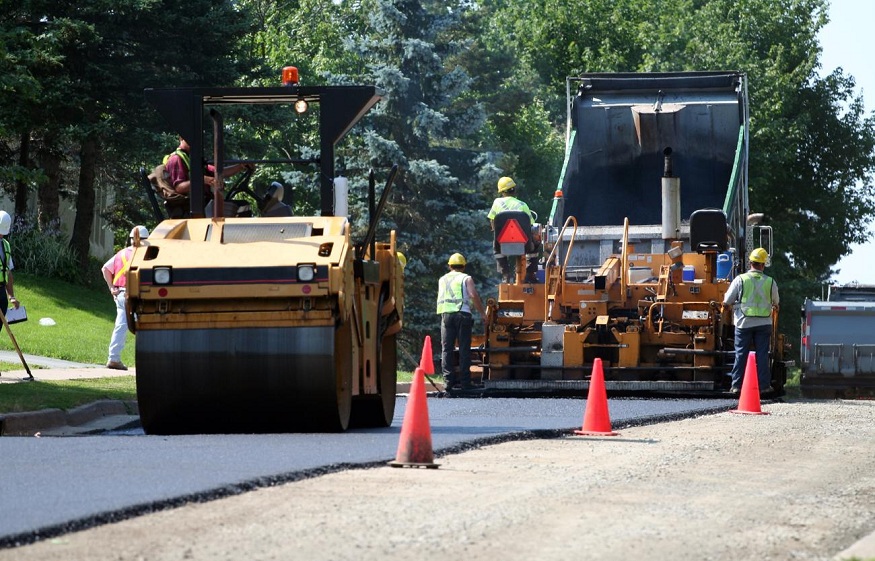
There is something satisfying about a freshly laid bitumen driveway. The deep, uniform black surface, the clean edges, the way it sets the tone for the whole front of a property. But once the crew packs up and the surface cures, most homeowners shift their attention elsewhere and don’t think about the driveway again until something goes wrong. That’s understandable — bitumen is a low-maintenance surface by nature — but like any asset exposed to the elements year-round, it rewards a modest investment of attention with significantly extended life. Understanding how long Brisbane bitumen driveways last, what shortens that lifespan, and what you can do to protect your investment makes the difference between a surface that lasts fifteen years and one that lasts thirty.
What Is Bitumen and How Is It Constructed?
Bitumen — also known as asphalt in some contexts, though there are technical distinctions — is a petroleum-derived binder mixed with aggregate such as crushed rock or gravel to create a flexible, load-bearing surface. In residential driveways, it is typically laid in one or two compacted layers over a prepared sub-base of compacted gravel or crushed rock. The quality of that sub-base is arguably more important than the bitumen layer itself: a poorly prepared base will shift, settle unevenly, and cause the surface above to crack regardless of how well the bitumen was laid.
Read More: Maximizing Space with Modern 2-Bedroom Prefab A DU Floor Plans in Sacramento
Professional installation involves careful attention to drainage gradients, edge restraints, and compaction levels. These factors — invisible once the job is finished — are the primary determinants of how long the surface will perform. A bitumen driveway laid by an experienced contractor on a properly prepared base is built to last. One laid quickly on inadequate foundations may begin showing problems within just a few years.
Expected Lifespan: What’s Realistic?
A well-installed bitumen driveway, properly maintained, can be expected to last between 20 and 30 years before requiring full replacement. That figure, however, comes with important qualifications. Climate, usage patterns, maintenance history, and installation quality all have a significant bearing on where within that range any given driveway will sit.
In hotter climates — and this is particularly relevant across much of Australia, where summer temperatures can push bitumen surfaces to extreme levels — the binder component of the mix softens under sustained heat. This can lead to surface deformation under load: tyre marks, indentations from vehicle stands, and a general softening of edges over time. UV radiation also oxidises the surface, gradually breaking down the binder and causing the characteristic greying and surface ravelling that signals an ageing driveway.
In cooler, frost-prone regions, the challenge is different. Freeze-thaw cycles exert enormous stress on any paved surface as water infiltrates small cracks, freezes, expands, and forces those cracks wider. While Australian conditions are generally less severe in this regard than northern hemisphere climates, elevated areas and southern states can still experience sufficient temperature variation to accelerate surface deterioration if cracks are left unsealed.
The honest answer on lifespan is this: with minimal maintenance, expect 15 to 20 years. With consistent, proactive care, 25 to 30 years is achievable. The difference between those two outcomes costs relatively little in time and money — which makes understanding maintenance well worthwhile.
The Most Common Causes of Premature Deterioration
Before discussing maintenance, it helps to understand what actually damages bitumen driveways, because most of the threats are preventable.
Water ingress is the single biggest enemy of any bitumen surface. Water that penetrates through cracks or at the edges of the driveway saturates the sub-base, reducing its load-bearing capacity and causing the surface above to flex and crack further. This is a self-accelerating process: small cracks allow water in, which weakens the base, which causes more cracking, which allows more water in. Addressing cracks early — before water has the opportunity to establish itself beneath the surface — is the highest-return maintenance activity available to a homeowner.
Tree roots are a significant and often underestimated risk. Established trees adjacent to driveways will seek moisture beneath the sealed surface, and roots exert extraordinary lateral pressure as they grow. If you are planning a new driveway, consider the mature root spread of nearby trees when designing its path. For existing driveways, root barriers installed during resurfacing can extend surface life considerably.
Heavy loads and point loads cause surface deformation, particularly in warmer weather. Regular parking of heavy vehicles — caravans, trailers, trucks — in the same spot stresses the surface and sub-base over time. Using load-spreading pads under caravan jacks and stabiliser legs distributes weight more broadly and prevents indentation.
Chemical spills, particularly fuel and oil, dissolve the bitumen binder. Even small, repeated spills from a vehicle with a slow leak will progressively soften and degrade the surface at that point. Cleaning spills promptly with an appropriate degreaser and sealing the affected area prevents the damage from spreading.
Maintenance That Genuinely Extends Lifespan
The most impactful maintenance task is crack sealing, and it should be attended to as soon as cracks appear — ideally annually as part of a routine inspection. Purpose-made bitumen crack filler is widely available and straightforward to apply. For larger cracks or those showing signs of edge crumbling, a professional repair using hot-pour sealant will provide a more durable result. The goal is always to prevent water from reaching the sub-base.
Seal coating is the second major maintenance tool available to homeowners. A seal coat is a thin protective layer applied over the existing surface that restores the oxidised binder, refreshes the appearance, and provides a barrier against UV radiation, water, and minor chemical contamination. It is typically recommended every three to five years, depending on exposure and traffic levels. Seal coating will not repair structural problems, but applied to a sound surface it meaningfully extends the period before resurfacing is required.
Knowing When to Resurface Rather Than Repair
Eventually, patching and sealing give diminishing returns. When cracking becomes widespread and interconnected — a pattern known as alligator or crocodile cracking — it indicates structural failure of the sub-base rather than surface wear. At that point, resurfacing the top layer without addressing what lies beneath is a short-term fix that will fail again relatively quickly. A reputable contractor will advise honestly on whether the base requires remediation before a new surface is laid.
Read More: What Type of Water Tank is Best for Homes in India?
A bitumen driveway looked after with reasonable diligence is a genuinely durable, cost-effective surface for Australian conditions. It doesn’t demand much — an annual inspection, prompt attention to cracks, periodic sealing, and protection from the few things that genuinely harm it. In return, it will serve the property reliably for decades.