Most homeowners focus on visible cleanliness when trying to prevent pests, but the real issue often lies in structural weaknesses that go unnoticed. Small cracks, gaps, and openings around a property can quietly become access points for a wide range of pests. What appears to be a minor defect in a wall, floor, or exterior surface can eventually lead to a much larger infestation problem.
Understanding how these entry points develop and why pests rely on them is essential for long-term protection. Even well-maintained homes are at risk if these small structural issues are ignored.
Why Small Openings Matter More Than You Think
Pests do not need large openings to enter a property. Many common pests can squeeze through extremely small gaps. Rodents can pass through holes as small as a coin, while insects such as cockroaches and ants can enter through fine cracks that are barely visible.
These openings often develop naturally over time. Buildings settle, materials expand and contract with temperature changes, and everyday wear gradually weakens joints and seals. As a result, tiny gaps begin to form around windows, doors, plumbing lines, and foundations.
Read More : Choosing the Right Chelmsford Pest Control Company for Effective Solutions
Once these openings exist, pests take advantage of them quickly. They are constantly searching for food, shelter, and moisture, and even the smallest gap can provide the access they need.
Common Areas Where Cracks and Gaps Form
Most entry points are not immediately visible because they occur in less noticeable areas of the property. External walls often develop fine cracks due to constant exposure to weather conditions. Window frames and door seals can shrink, loosen, or warp, leaving small spaces around the edges.
Roof spaces are another vulnerable area. Gaps around tiles, vents, and eaves provide easy access for insects and even small animals. Plumbing and electrical entry points where pipes and cables pass through walls often leave unsealed openings that pests can exploit.
Subfloors and basements also contribute to the problem. These areas usually have higher moisture levels, which can weaken materials and create ideal entry points for pests looking for dark and damp environments.
Regular inspection of these areas is often overlooked, which is why infestations can begin without any clear warning signs.
How Moisture Makes Entry Points More Attractive
Moisture plays a major role in turning minor cracks into active pest entry points. Damp conditions soften building materials, allowing cracks to expand more easily over time. Timber, in particular, becomes more vulnerable when exposed to consistent moisture.
Pests are naturally drawn to these conditions. Termites prefer damp timber because it is easier to consume. Cockroaches and ants are also attracted to humid environments where water sources are available.
This is why pest control strategies often focus on moisture management as part of a prevention plan. Reducing moisture levels not only limits pest attraction but also helps maintain the structural integrity of the property.
The Link Between Structural Movement and Pest Access
Buildings are constantly shifting due to temperature changes, soil movement, and natural ageing. This movement causes small structural changes that can lead to cracks forming in walls, ceilings, and floors. While these changes may seem minor, they create opportunities for pests to enter.
As cracks expand over time, they become easier for pests to access. Insects can crawl through small openings, while rodents can widen gaps by chewing through materials. What begins as a small structural issue can quickly develop into a direct pathway for infestation.
Regular maintenance helps minimise this risk by identifying and sealing cracks before they become larger problems.
How Different Pests Use These Entry Points
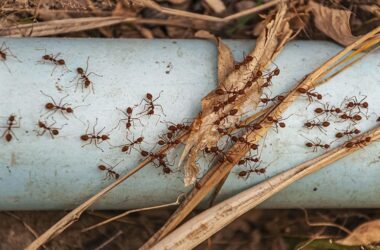
Different pests rely on cracks and gaps in different ways. Ants often enter through tiny openings in search of food, creating visible trails once they establish a route. Cockroaches prefer dark, narrow spaces and use gaps behind walls, cabinets, and appliances to move undetected.
Rodents take advantage of slightly larger openings. They can squeeze through gaps in walls, roofs, and foundations, and once inside, they often create nests in hidden areas such as roof cavities and subfloors.
Termites are particularly dangerous because they can enter through cracks in foundations or concealed areas without being noticed. They build mud tunnels to maintain moisture and access timber structures, causing damage from within.
Understanding these behaviours highlights why even the smallest openings should not be ignored.
Why Ignoring Minor Gaps Leads to Bigger Problems
It is easy to overlook small cracks or gaps, especially when they do not appear to cause immediate issues. However, these minor defects often become larger over time. Exposure to weather, moisture, and structural movement gradually increases their size.
As openings grow, they allow more pests to enter and establish colonies. What begins as a few insects can turn into a widespread infestation that affects multiple areas of the home.
Ignoring these early signs can lead to higher repair costs, health risks, and long-term structural damage. Preventive action is always more effective and more affordable than dealing with a full infestation.
Practical Steps to Prevent Pest Entry
Preventing pest infestations starts with addressing the small structural issues that allow them inside. Sealing cracks in walls, floors, and foundations is one of the most effective measures. Using appropriate sealants around windows, doors, and service entry points helps close off common access areas.
Maintaining proper drainage around the property reduces moisture buildup, which in turn limits the conditions that attract pests. Cleaning gutters and ensuring water flows away from the structure is a simple but important step.
Keeping the property free from organic debris such as leaves, timber piles, and mulch near the foundation also reduces the likelihood of pests nesting close to entry points.
Regular inspections play a key role in early detection. Identifying and fixing minor issues before they worsen helps maintain a pest-resistant environment.
Working with professional pest control experts can strengthen these efforts by identifying hidden vulnerabilities that are easy to miss.
When to Consider Professional Pest Control
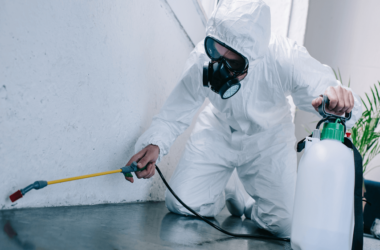
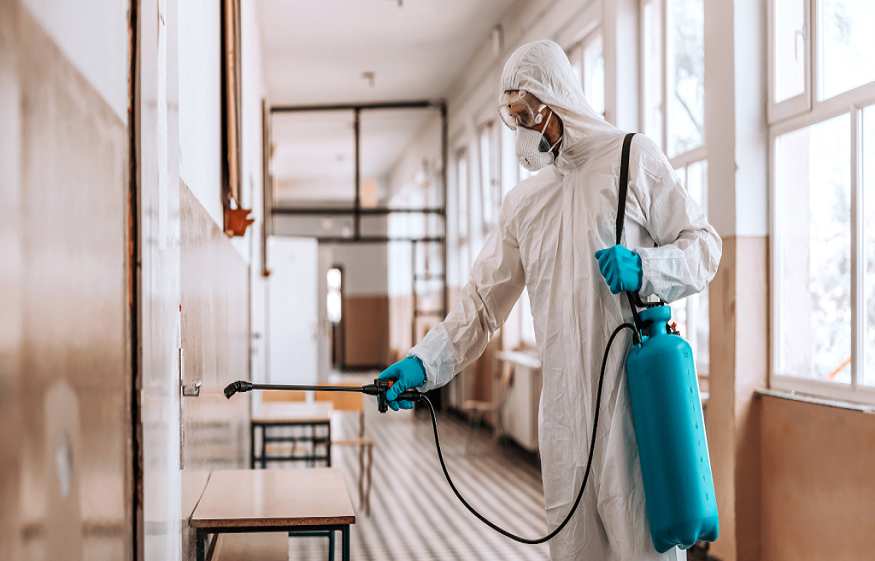
While basic maintenance can reduce risks, some entry points are difficult to detect without professional experience. Specialists offering pest control services are trained to identify hidden vulnerabilities and assess the overall condition of a property.
They can recommend targeted treatments and preventive measures based on the type of pests common in the area. Professional pest control also provides long-term solutions that address both the symptoms and the root causes of infestations.
If you notice repeated pest activity despite taking preventive steps, it is a clear sign that there may be hidden entry points that require expert attention.
Conclusion
Minor cracks and gaps may seem insignificant, but they play a major role in allowing pests to enter and spread within a property. These small openings develop naturally over time, often without immediate visibility, and can quickly turn into serious infestation risks.
Read More : How Minor Cracks and Gaps Become Entry Points for Pest Infestations
By understanding how pests use these entry points and taking steps to seal and maintain vulnerable areas, homeowners can significantly reduce the chances of infestation. Combining regular maintenance with professional pest control support ensures that small issues do not turn into costly problems.