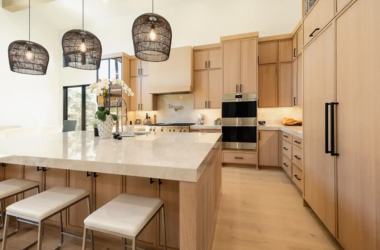
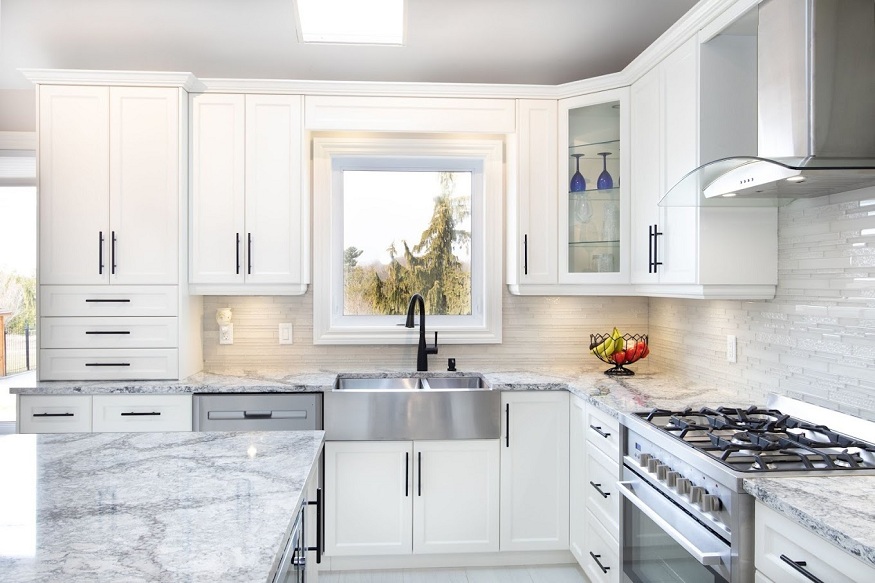
Do you find yourself going back and forth between applianceswhen cooking? Or do you feel confined when preparing meals? Then the problem is your kitchen layout. An ineffective kitchen design slows down your daily tasks.
Luckily, a kitchen remodelingin Denver allows you to rectify these functional inefficiencies. Here is how to fix them.
Determine workflow breakdowns
Assess the way you utilize the space. An efficient kitchen features the classic work triangle. It is made up of a:
- Sink
- Stove
- Refrigerator.
You must be able to move among them freely without hindrance. Examples of common layout problems are:
- Appliances that are not spaced out.
- Big walking distances between prep zone and cooking zone.
- Islands that block pathways.
- Poor landing space around appliances.
The solution isto correct such inefficiencies. This might call for plumbing or electrical relocation. However,it enhances functionality. You can achieve this with professional kitchen renovation services Denver.
Open or reconfigure traffic flow
Many homeowners assume that their kitchens are small. However, they are just congested. For instance, many older houses have narrow pathways. This hinders usability.
Solutions may include:
- Eliminatingnon-load-bearing walls.
- Widening entry points.
- Repositioning islands.
- Changing to a galley or L-shaped design.
Older floor plans are common in houses across Denver. This is where the kitchen and living areas are isolated. In such cases, restructuring walls can enhance visibility and movement.
Add functional zones
Contemporary kitchens serve several purposes:
- Cooking
- Storage
- Entertaining
- Remote working.
Ineffective layouts do not have clear zones.
When remodeling, consider adding the following:
- A specific food prep area. It should haveenough space andknife storage.
- A drink or coffee stand. It should be away from the primary cooking area.
- A pantry wall. This will minimize clutter in the cabinets.
- An island with seats. Make sure it does not disrupt working areas.
Zoning also eliminates overlaps between cooking and gathering areas. This is importantduring times of high traffic.
Improve storage placement
The place of storage is as important as the storage volume. Do you always have to move across the room to find the cookware or utensils? Then the design is not efficient.
Fix this by:
- Placing deep drawers adjacent to the cooktop.
- Designating trash and recycling areas close to prep areas.
- Adding pull-out pantry systems.
- Aligning upper cabinets with everyday reach habits.
Choose a layout change that aligns storage with task areas. This removes unnecessary movement.
Adjust the position of appliances
The placement of appliances might be the problemin your kitchen. For instance, afridge that obstructs the walkway.
When redesigning, consider this:
- Place the refrigerator in an accessible place. But not in the primary cooking path.
- Leave at least 15 inches of landing area besidemain areas.
- Do not install the dishwasher in a high-traffic area.
- Use panel-ready appliances. This will enhance integration.
These changeswill rectify the underlying inefficiencies.
Assess lighting and sightlines
Low lighting and blocked vision make kitchens appearcrowded.
Consider:
- Eliminating large upper cabinets.
- Addingunder-cabinet lighting.
- Installing bigger windows where possible.
- Applying open shelving.
Enhanced visibility improves functionality. It also enhances the perceived space.
A key takeaway
Plan for long-term functionality when remodeling your kitchen. Pay attention to the:
- Movement patterns
- Clearance needs
- Daily routines.
An effective layout will minimize friction and enhance efficiency.