Water damage can spread quickly. Once it occurs, it is not just about drying it out. Professionals in Boise use a systematic approach to:
- Remove moisture completely
- Eliminate contamination
- Restore the structure.
This guide will help you understand why each step is important.
Water damage inspection
The goal for this step is to locate the water damage. It could be:
- Broken pipes
- Leaks
- Floodwater
They also assess the type of water. It could be:
- Clean
- Grey
- Sewage
Different types require different treatments.
Specialist equipment is used to detect hidden moisture in:
- Walls
- Floors
- Ceilings
This assessment helps to determine the required extent of water damage restoration Boise. It also ensures nothing is missed.
Water removal
This step should occur as quickly as possible. The technicians employ special equipment, including:
- Large pumps
- Heavy-duty vacuums.
They help to remove water from areas like:
- The floor
- Carpet
- Roof.
Urgency is required here. Postponing the process leads to more water damage.
In some situations, significant amounts of water may need to be extracted. For example:
- Basement flooding
- Overflowing bathrooms
- Burst pipes.
Rapid removal helps prevent:
- Mold growth
- Damage to building structures.
Read More: The Small Sleep Essential That Makes a Big Difference
Drying
Now, the standing water is gone. However, there is moisture in the materials. The technicians position special equipment to strategically dry the area. This includes:
- Large air movers: They increase evaporation.
- Dehumidifiers: They extract moisture.
This process can take a few days. It depends on the damage.
Technicians check moisture levels. Then, they make adjustments. This process reduces the risk of:
- Warping
- Swelling
- Undisclosed mold growth.
Cleaning
Flooding often brings contaminants. Particularly in:
- Sewage back-ups
- Floodwaters
- Toilet overflows.
The surfaces must be sanitized. Specialized solutions are used to remove:
- Bacteria
- Odors
- Residues.
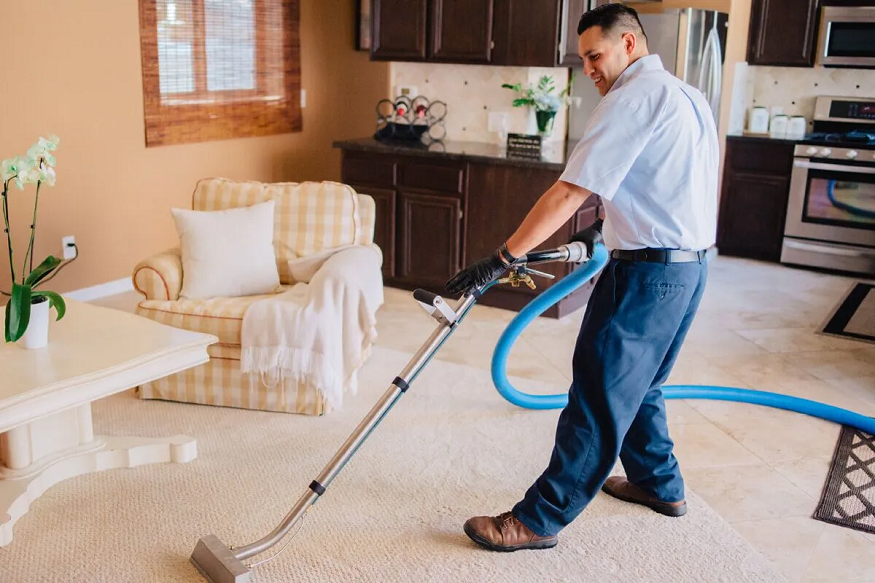
Other items are treated using specialized methods. This includes:
- Furniture
- Carpets
- Special fabrics.
Personal items may need to be cleaned. This helps to make the home clean and safe again.
Removal of damaged materials
Not everything can be saved. Materials that have absorbed significant moisture may need to be removed. For example:
- Drywall
- Insulation
- Flooring.
This helps prevent further damage. It provides access to concealed spaces for thorough drying.
Experts will carefully cut out damaged areas. They try to save as much as possible. This minimizes unnecessary reconstruction.
Restoration and repairs
The last stage is the restoration phase. This could involve replacing:
- Drywall
- Floors
- Other structural elements.
In some cases, restoration may be as simple as minor repairs. In other cases, it may involve major rebuilding.
The goal is to restore the area. However, moisture stabilization comes first. Then, repairs.
Final inspection and monitoring
The final step of the process is a check to ensure that:
- All moisture is gone
- The structure is stable.
The technicians verify that drying targets have been met. They also ensure that they have not overlooked anything.
It ensures the restoration has been effective. It also ensures that the property is safe for use.
Read More: Top Pool Repair Cincinnati Issues Homeowners Face Every Spring (And Fixes)
The bottom line
Each step of a professional water damage restoration serves a clear purpose. Failing to complete any stage can lead to issues such as mold. Not to mention structural damage.
This process ensures:
- Complete water extraction
- Repair of damaged materials
- Property restoration.
This helps minimize future problems. It also preserves the property’s value.