
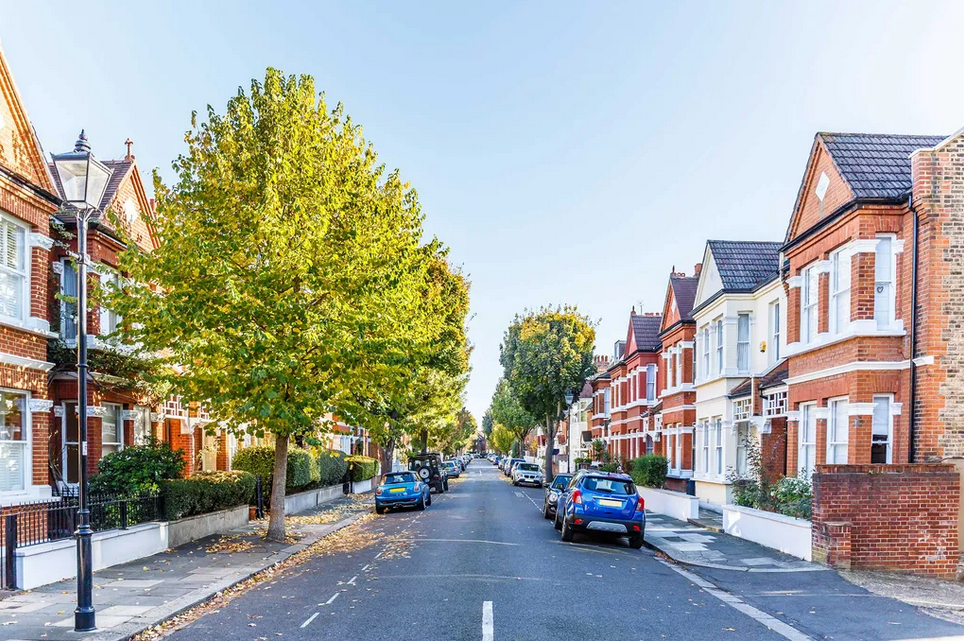
Hammersmith is one of West London’s most varied residential areas, combining period homes, purpose-built flats, modern developments, shopping streets and riverside neighbourhoods. For buyers considering a move in 2026, understanding the differences between Hammersmith’s sub-areas, transport connections and property types can be just as important as finding the right home.
Understanding Hammersmith as a Place to Live
Hammersmith has several distinct residential settings, from the busy centre around King Street and Hammersmith Broadway to quieter streets around Ravenscourt Park, Brackenbury Village and Brook Green. This variety means buyers can experience noticeably different surroundings while remaining within the same wider Hammersmith area.
The central area provides convenient access to shops, restaurants, cafés and everyday services, while King Street forms an important local shopping route. Buyers looking for a quieter environment may prefer residential streets further from the main commercial areas, particularly around Ravenscourt Park or Brackenbury.
The River Thames also shapes parts of Hammersmith, with riverside properties and walking routes around Hammersmith Bridge and Fulham Reach. These locations have a different character from the busy town centre, so buyers should consider how much they value riverside access compared with proximity to shops and transport.
For buyers researching individual streets and properties, local knowledge can also be useful. Hammersmith estate agents may have experience with differences between nearby roads, property types and local market activity, although buyers should still visit areas themselves before making a decision.
Property Types and Locations in Hammersmith
Hammersmith’s housing stock includes Victorian and Edwardian terraces, period conversions, maisonettes, purpose-built flats and newer apartment developments. Property character can change considerably from one part of the area to another.
Brackenbury Village is known for its period housing and residential streets, while the area around Ravenscourt Park includes a mixture of period homes and flats. Brook Green, which borders Hammersmith to the east, also has a substantial selection of Victorian and Edwardian properties.
Read More: Winter Home Hazards: Heating, Plumbing and Damp Problems to Watch For
Closer to the river, buyers may find modern developments alongside older housing. Apartments in newer schemes can offer contemporary layouts and communal facilities, while period conversions may provide more traditional architectural features.
Buyers should look beyond photographs and floorplans. The condition of the building, lease arrangements, outdoor space, natural light, storage and potential maintenance requirements can all affect the practical suitability of a property.
Transport Connections Across Hammersmith
Transport is one of the main practical considerations when choosing where to live in Hammersmith. Hammersmith station provides access to the District and Piccadilly lines, while Hammersmith Broadway is also served by the Hammersmith & City and Circle lines.
The location of a property within Hammersmith can therefore make a meaningful difference to a daily commute. A home further towards Ravenscourt Park may offer a different balance between residential surroundings and station access compared with a property closer to Hammersmith Broadway.
Buyers should test their actual commuting route rather than relying only on a map. Walking time to the station, road crossings, bus connections and the route from the station at the other end can all affect the practical journey.
Road connections are also relevant for households that regularly travel by car. However, parking arrangements vary between properties, so buyers should establish whether a property has a private space, permit arrangements or other restrictions before making assumptions.
Shopping, Schools and Everyday Amenities
Hammersmith provides a broad range of everyday facilities. The Broadway Shopping Centre and King Street offer shops and services, while smaller independent businesses, cafés and restaurants are spread across surrounding neighbourhoods.
The area also provides access to parks and open spaces, with Ravenscourt Park being an important local destination. Buyers with children or those who regularly exercise outdoors should consider the walking route to green spaces rather than simply identifying them on a map.
Read More: Finding Your Dream Home: Houses on Sale and the Art of Transforming Spaces
Families should research schools according to their own requirements and check practical details such as distance, admissions arrangements and walking routes. Childcare, supermarkets, healthcare services and other regular destinations should also form part of the location assessment.
The most convenient property is not necessarily the one closest to a single amenity. Buyers should think about the complete pattern of their week and how easily they can reach the places they use most often.
Setting a Property Buying Budget
A realistic budget should include more than the property’s asking price. Buyers may need to account for their deposit, mortgage costs, Stamp Duty where applicable, solicitor’s fees, surveys, moving expenses and potential renovation work.
The ongoing cost of ownership also needs consideration. For flats, buyers should review service charges, ground rent where applicable, building insurance arrangements and planned maintenance. A property that appears affordable at the point of purchase can have significantly different ongoing costs depending on its lease and management arrangements.
Older properties may require expenditure on roofs, windows, heating, electrics or other building elements. Buyers should obtain appropriate professional advice and avoid assuming that a recently decorated interior means that the entire property requires little maintenance.
Viewing Property in Different Parts of Hammersmith
Viewing properties at different times can help buyers understand the immediate surroundings. A quiet street during a weekend viewing may have different levels of traffic, pedestrian activity or noise during weekday commuting hours.
Buyers should inspect the property itself as well as communal areas and the surrounding street. For flats, this includes checking entrances, staircases, lifts, shared gardens and other communal facilities where relevant.
It is also useful to view several comparable properties. Comparing similar homes in Hammersmith can help buyers understand differences in layout, condition, location and ongoing costs rather than relying on one asking price.
Making an Offer and Completing the Purchase
Before making an offer, buyers should have a clear understanding of their mortgage position and available funds. It is also useful to establish the seller’s circumstances, including whether they are purchasing another property and whether there is an existing chain.
Once an offer is accepted, the conveyancing process involves legal checks, searches and review of the property’s title. Buyers should read the documentation carefully and raise questions about anything they do not understand.
Flat purchases require particular attention to lease terms, remaining lease length, service charges, restrictions, management arrangements and planned works. These details can affect both the cost and practical experience of ownership.
A survey should also be considered. A mortgage valuation is primarily intended to satisfy the lender and should not be treated as a detailed inspection of the property’s condition.
Hammersmith Compared with Nearby West London Areas
Hammersmith sits between several established West London neighbourhoods, making comparisons useful for buyers who are not committed to one particular area.
Brook Green has a more residential character in many streets and shares a close connection with Hammersmith’s amenities and transport. Shepherd’s Bush provides access to Westfield London, Shepherd’s Bush Market and several major transport routes, while Chiswick has a different combination of residential streets, shops and green spaces.
Fulham offers another alternative, particularly for buyers considering areas towards the south of Hammersmith. Ealing provides a wider selection of neighbourhoods and property settings further west.
These areas should not be treated as interchangeable. Buyers should compare the specific property, commute, budget, household requirements and preferred surroundings rather than choosing an area based solely on its name.
Common Mistakes to Avoid
One mistake is concentrating too heavily on the property’s interior. A well-presented home may still be unsuitable if the location does not work for the buyer’s daily routine.
Another is overlooking future requirements. Buyers who may need an additional bedroom, home-working space, outdoor area or easier transport access should consider whether the property can accommodate those needs.
Flat buyers should also avoid treating lease and service-charge information as minor details. These documents can contain important information about costs, restrictions and planned works.
Finally, buyers should avoid rushing because a property appears attractive at first viewing. Taking time to investigate the building, immediate surroundings, legal position and total cost can provide a clearer basis for making an informed decision.
Is Hammersmith Right for You?
Hammersmith can offer different residential environments within a relatively compact West London area, but suitability depends on individual circumstances. A buyer prioritising transport may focus on one part of the neighbourhood, while a family may place greater importance on space, green areas, schools and local services.
Buyers who work in central London, travel west regularly or need access to several transport lines may have different priorities from those seeking a quieter residential setting. The right choice will depend on how the property fits into everyday life as well as its features.
When comparing Hammersmith with Shepherd’s Bush, Brook Green, Fulham, Chiswick or Ealing, buyers should consider the complete picture: property type, location, commute, ongoing costs, amenities and future household requirements.
Conclusion
Buying property in Hammersmith in 2026 requires careful consideration of both the home and the neighbourhood around it. The area contains a wide range of properties and residential settings, so two homes within a short distance of one another can offer quite different living experiences.
The most useful approach is to assess each property on its own merits, visit the surrounding area at different times, understand the full cost of ownership and consider how the location will work over the longer term. This allows buyers to compare Hammersmith with nearby West London areas based on their own practical requirements rather than relying on a general perception of the neighbourhood.





1 thought on “A Neighbourhood Guide to Hammersmith: Where to Buy Property in 2026”