Introduction
A good-looking home is more than paint, furniture and flooring. The doors and windows you pick shape how the house looks, how it feels on a hot afternoon, and how safe you feel at night. That is why Modern Doors and Windows have become a standard part of today’s residential design. Slim frames, big glass panels and low-maintenance materials like uPVC have changed what people expect from an opening in a wall.
Think about the difference a window makes in a room. One that lets in daylight and a bit of breeze makes the space feel alive, and one that is dark and stuffy makes it feel smaller than it is. Doors do something similar. A well-fitted door gives you privacy, easy movement and a sense of security. Modern designs also give you a lot of choice in colours, frame materials, opening styles and glass types, so you can match them to your own taste.
Read More: How Professional Misting System Installation Can Improve Outdoor Comfort
Many homeowners now also care about energy use and upkeep. They want products that look good and don’t demand constant attention. Well-made uPVC doors and windows can meet that expectation, provided the profile, glass, hardware and installation are chosen with care. Whether you are building from scratch or renovating, this decision affects how your home performs for years.
What Makes Modern Doors and Windows Different?
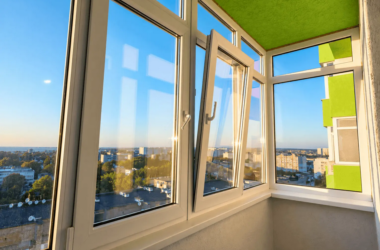
Older doors and windows were built mainly to open and close. Today’s versions do more. They come as sliding doors, casement windows, tilt-and-turn systems and large fixed panels, which helps you use space better and keep a consistent style across the house.
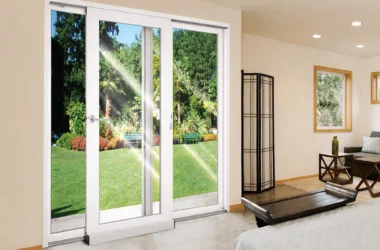
Design is a big part of the difference. Frames can have clean lines, narrow sightlines where the structure allows, matching finishes and hardware that suits the overall look. A sliding glass door can link a living room to a balcony without any fuss, and a well-placed casement window can noticeably improve airflow. What works best depends on the size of the room, how it is used, the weather it faces and the safety rules that apply.
Performance counts too. A properly built window helps limit heat transfer and air leakage, which makes rooms more comfortable. But the benefit comes from the whole product, not the frame alone. The glass, seals, locks and installation all play a part. India also has a published standard for uPVC profile-framed doors, windows and sliders, IS 19609:2026, which sets out material and performance requirements. It is a useful reminder to judge products by tested quality and not only by how they look in a showroom.
Contemporary Designs That Lift Your Home’s Appearance
In contemporary architecture, doors and windows are treated as design features and not just holes in the wall. Large glass panels can make a small room feel bigger, and the right frame colour can tie together the walls, floors and exterior finish. This works for a minimalist flat, a villa or a busy city apartment.
A house with a neutral exterior can look sharp with charcoal-grey frames and a matching main door. A home with warm tones and natural textures might suit wood-effect finishes, which give a timber feel without the upkeep. Sliding doors are a good fit for living rooms that open onto a balcony, patio or garden. If you repeat the same frame colour and style through the house, it looks put together without every room looking identical.
Minimalist Frames, Colours and Glass
Minimalist design is about simple shapes, good proportions and less clutter. Slim frames, large glass areas and plain handles are popular for that reason. Just remember that the frame has to be right for the opening size, wind load and weight of the glass. Going for the thinnest frame possible without checking these things can hurt performance.
Glass affects the look as well. Clear glass gives the best view, while tinted, frosted or patterned glass adds privacy and cuts glare. Decorative glass works well in bathrooms, entrance doors and windows that face a neighbour’s wall. Try to see a sample in your own light before deciding, because a finish that looks great in a catalogue can look quite different at home.
In the end, a design should suit the building, let in enough daylight and be easy to use. A window that looks impressive but is hard to clean or blocks useful airflow won’t keep you happy for long.
Better Energy Efficiency and Comfort
Energy efficiency is one of the strongest reasons to upgrade. Badly sealed openings let hot air in and cool air out, and in summer, direct sun through glass adds to the load on your air conditioner. Good glazing, tight seals, suitable frames and proper fitting can reduce all of this.
India’s Bureau of Energy Efficiency promotes building-envelope measures that deal with heat gain, heat loss, daylight and natural ventilation. The idea behind its guidance is that windows should be planned as part of the home’s overall energy performance and not treated as decoration.
When you compare windows, don’t stop at the material name. Ask about the thermal performance of the complete unit, frame and glass together. Double glazing can reduce heat transfer compared with a single pane, but how much depends on the glass specification, coatings, the gap between panes and the frame design. In hot regions, solar heat gain matters a lot, so pick glass based on which way the room faces.
A well-fitted exterior door helps too, since it cuts draughts and keeps dust out. Still, no door or window can fully make up for poor wall insulation, strong sun exposure or an old air conditioner. The best results come from combining good openings with shading, ventilation and sensible building design.
Why uPVC Doors and Windows Make Sense
uPVC stands for unplasticised polyvinyl chloride, a rigid material widely used in construction. It does not rust the way steel does, and it doesn’t rot like timber, though how long it lasts still depends on product quality, exposure, fabrication and care.
Design flexibility is a big draw. You can choose sliding windows, casement windows, fixed glazing and various door types depending on space and ventilation needs. Finishes run from classic white to darker shades and wood-effect looks, although the exact range depends on the manufacturer. That makes uPVC doors suitable for both modern interiors and exterior facades.
Sealing is another strength. A well-made and properly installed system can keep out air and water, and combined with the right glass and reliable hardware it makes rooms more comfortable. But not every uPVC product performs the same. Profile quality, steel reinforcement, drainage, hardware, glazing, fabrication and installation all make a difference.
Before you buy, ask for specifications and test details. Find out how the maker handles wind resistance, water tightness, air permeability and hardware durability. This matters most for large windows, upper floors and homes that get strong wind or heavy rain. Choose a system that fits your building, not just your budget.
What You Get from High Quality uPVC Windows
High Quality uPVC windows combine a clean look, easy operation and simple upkeep. You can wipe the frames with a soft cloth and mild soapy water, and they don’t need regular painting or polishing. Busy households tend to appreciate that.
Again, it comes down to the whole assembly. Good profiles need reinforcement where required, properly fitted gaskets, durable hinges or rollers, solid locks and compatible glass. A large casement sash, for example, needs hinges that can carry its weight, and a sliding window needs smooth rollers and well-aligned tracks.
Glass deserves attention as well. Double glazing can improve thermal and sound performance depending on how it is built. Laminated glass adds safety in the right places, and solar-control glass helps with heat and glare. The right pick depends on where the window sits and what the room is for.
Ask the supplier to explain the specifications in plain language, and get details on warranty, installation and spare parts. A good window is not just a nice frame. It is a complete system that is built and fitted to keep working.
Natural Light and Fresh Air
Daylight makes a home feel open and welcoming. Modern windows make better use of the wall space available, so light reaches living rooms, bedrooms and workspaces, and you may switch on lights less often during the day.
More glass is not always better, though. How much light actually helps depends on window size, direction, nearby buildings, shading and the type of glass. A big west-facing window can let in strong afternoon heat and glare. Curtains, blinds, external shading and the right glazing can balance light and comfort.
Ventilation needs the same thought. Casement windows open wide, while sliding windows are handy where an outward-swinging sash would hit furniture or block a walkway. Placing openings on opposite sides of the house encourages cross-ventilation. In hot or humid weather, or when air quality outside is poor, keeping windows closed may be the smarter move, so your design should support more than one way of managing air.
A Quieter, More Peaceful Home
Street noise affects sleep, focus and rest, especially near busy roads, markets or construction sites. Good windows and doors with suitable glass, tight seals and well-fitted frames can cut down the sound that comes in.
How much they cut depends on glass thickness, laminated glazing, the spacing between panes, frame build and installation. Even small gaps around a frame can let noise through, so perimeter sealing matters.
If you live on a busy road, tell your supplier before choosing. Ask for tested acoustic figures instead of accepting a claim that a window is soundproof. Ordinary residential windows reduce noise but can’t remove everything, especially low-frequency traffic rumble. Walls, roofs, vents and entrance doors also carry sound, so treat it as a whole-house question.
Security and Safety
Security should come first for any external door or window. A stylish product still has to resist forced entry. Modern systems offer multipoint locking, reinforced profiles, secure handles and glass suited to specific safety needs. What you need depends on the opening size, building height and location.
For doors, look at the lock quality, frame strength, hinges and how firmly the frame is anchored to the wall. Large glass doors need extra care because both the glass and the lock matter. For windows, check that the locks work smoothly and the opening type suits the room.
If you have children, or windows on upper floors, restrictors and safety glass can help. They should be chosen for the actual situation, keeping emergency exit and local building rules in mind. The current uPVC standard in India also includes safety provisions such as child-safety restrictors and requirements for larger openings and high-rise use.
A lock alone doesn’t make a window secure. Weak installation or poor wall fixings can undo a strong product, so ask your supplier about fixing methods too.
Picking the Right Style
The best choice is the one that fits your layout and daily routine. A window that suits a large living room may be wrong for a small kitchen, and a big sliding door that works on a balcony may be wasted in a utility area.
| Style | Main advantage | Where it suits |
| Sliding windows | Saves space | Bedrooms, kitchens, balconies |
| Casement windows | Wide opening for airflow | Living rooms, bedrooms |
| Fixed windows | Clear views and daylight | Staircases, feature walls |
| Sliding doors | Easy access, no swing | Balconies, patios, terraces |
| Hinged doors | Familiar, many designs | Main entrances, interior rooms |
| Folding doors | Very wide opening | Large living areas, garden access |
Each has trade-offs. Sliding windows save room, but their tracks need regular cleaning. Casements open wide but need space to swing. Fixed windows give the best view but no airflow, so you will need an opening nearby. Folding doors look dramatic, yet they demand good hardware, careful alignment and solid weather sealing.
The most expensive or trendy option isn’t automatically right. Go for what works naturally in your home and holds up in daily use.
Lower Maintenance, Better Long-Term Value
Timber usually needs repainting, polishing or protective coatings over time. uPVC needs less surface care, and powder-coated aluminium can also be durable if specified well. Every material has strengths, so decide based on your priorities.
For uPVC, regular cleaning with water and mild soap is generally enough. Check tracks, drainage slots, hinges, handles and locking points now and then, and clean sliding tracks more often because dust can clog the rollers. Skip harsh chemicals and scouring pads, which can damage the finish and seals.
Read More: Should You Build a One-Story or Two-Story Home in Houston?
Think about cost over the years, not just the day you pay. A cheap window with poor hardware or sloppy fitting may need repair sooner than a better one, while paying for features you don’t need is also wasteful. Compare full quotations covering frame, glass, hardware, installation, transport, finishing and warranty. Also ask how easy it is to get replacement handles, rollers and gaskets later.
Choosing a uPVC Window Company
The company behind the product matters as much as the design. A good uPVC window company will assess your home, explain the options, share specifications and manage proper installation. Don’t decide on advertising or a showroom piece alone.
Ask which profile system they use and which standards it meets. Request documentation for the full window or door assembly, including test results. Find out which glass options they offer, whether reinforcement is used where needed, and how they choose hardware for different sizes.
Installation deserves equal scrutiny. Accurate measurement, well-prepared openings, secure fixing, proper sealing and working drainage all affect results. A well-made window can still leak if it is fitted badly. Get the installation scope in writing and clarify who handles adjustments afterwards.
Then check the warranty and after-sales support. What does it cover, is installation included, how are service calls handled, and are spare parts available? If you want a name to include in your comparison, APL Apollo Doors and Windows is worth shortlisting. Ask them the same questions you would ask anyone else, and see how clearly they answer. A good supplier will be upfront about limitations and recommend what fits your needs, not push the priciest option.
Choosing Modern Doors and Windows in Telangana
If you are building or renovating in Telangana, think carefully about heat, monsoon rain, dust, airflow and the direction your house faces. Conditions differ between Hyderabad’s busy neighbourhoods and other parts of the state, so the product should suit your specific site.
Windows that take harsh afternoon sun may need solar-control glass, shading and careful sizing. Rooms with little daylight can be brightened by well-placed openings, without letting in too much heat. Good seals and proper fitting help keep dust out when windows are shut, but ventilation should still be planned around outdoor conditions.
uPVC windows in Telangana are worth a look if you want contemporary styling and straightforward upkeep. Casement, sliding and fixed types can be matched to each room’s needs. For external doors, prioritise durability, security and weather sealing, particularly where they face direct sun or rain.
When you search for a uPVC doors and windows manufacturer in Telangana, compare them on documented quality, fabrication ability, installation skill and after-sales service. Ask them to recommend glass and hardware for your building’s exposure and opening sizes. APL Apollo Doors and Windows can be one of the options you evaluate this way. Before you finalise, get a detailed quotation and confirm frame finish, glass type, hardware, opening direction, installation scope and warranty in writing.
Mistakes to Avoid When Buying
The most common mistake is choosing on looks alone. A beautiful window with unsuitable glass or weak hardware won’t give you the comfort you expected.
Another is assuming all uPVC is the same. Profiles, reinforcement, seals, glazing and fabrication vary, and so does installation. Ask for specifications and proof instead of trusting phrases like “premium quality” or “fully soundproof”.
Wrong measurements cause gaps, hard-to-use windows and extra cost, so have a professional verify them before fabrication starts. Glass is another trap. Clear glass is fine for views, but a bedroom facing a neighbour’s wall needs privacy, a sunny room needs solar-control glass, and some doors and low-level panels need safety glass.
Finally, don’t compare quotes without checking what each includes. One may cover only frame and glass, while another includes installation, hardware, finishing and warranty. Ask for itemised quotes and clear up exclusions before paying any advance.
How to Choose the Best Doors and Windows
Start with the purpose of each opening. A kitchen window needs easy ventilation and cleaning, a bedroom window leans toward privacy and noise control, and a balcony door needs a wide opening and strong hardware.
Then pick the frame material and style. uPVC suits many homes for its low upkeep and flexibility, but consider other materials if your project has special structural or visual needs. Compare complete specifications, not just the material.
Before asking for quotes, run through this checklist:
- Measure each opening and decide on the opening direction.
- Note your needs for ventilation, daylight, privacy and security.
- Compare frames, glazing, seals and hardware.
- Ask about standards and test documents.
- Check the installation method and the team’s experience.
- Review warranty, maintenance advice and after-sales service.
- Compare itemised quotations for equivalent specifications.
Share plans or site measurements with shortlisted suppliers and ask for room-by-room advice, especially for large glazed openings, upper floors or wind-exposed areas. Confirm everything in writing before fabrication: dimensions, finish, glass, hardware, configuration, installation duties and warranty.
Conclusion
Modern Doors and Windows suit contemporary homes because they pair good looks with practical comfort. Clean profiles, large glass, better sealing and flexible layouts help a home look good and work well, while supporting daylight, ventilation, privacy and security.
Among the options, uPVC doors and windows stand out for design variety and low maintenance. Quality still depends on the entire system: profiles, reinforcement, glass, hardware, fabrication and fitting. Choosing high quality uPVC from a dependable supplier gives you a better balance of appearance, durability and value.
Whatever you decide, take time to compare specifications and understand your home’s needs. Check installation and after-sales support, and if you’re in Telangana, factor in local sun, rain and airflow before you commit. The best doors and windows aren’t the ones that look best in a brochure. They are the ones that suit your architecture and lifestyle and keep performing day after day.
Frequently Asked Questions
- Are modern doors and windows right for every home?
Mostly, yes. They work in apartments, independent houses, villas and renovated properties, with many materials, finishes, glass types and opening styles. Match the choice to your building, space, ventilation needs and budget, and get professional measurements. - Are uPVC doors and windows better than wooden ones?
Each has merits. uPVC needs less upkeep and doesn’t rot, while wood offers a natural look some people love. Decide based on style, weather exposure, budget and how much maintenance you’re willing to do. - Can modern windows cut my electricity bill?
They can reduce cooling or heating demand with suitable glass, good seals and correct fitting. Results depend on climate, orientation, shading and the rest of the building. - How do I maintain uPVC doors and windows?
Wipe frames with a soft cloth and mild soapy water, clear dust from tracks and drainage slots, and inspect hinges, handles, locks and seals now and then. Avoid abrasive cleaners and follow the manufacturer’s advice. - How do I find a reliable uPVC window company?
Look for clear specifications, test documentation, professional measurement, experienced installers, written warranty terms and responsive after-sales support. Compare quotes on equal specifications, and if you are buying uPVC windows in Telangana, ask what suits your property’s exposure and local weather.