Plumbing problems rarely arrive at a convenient time. A small drip under the sink can turn into water damage, while a slow drain may eventually become a stubborn blockage. Adding a few simple plumbing checks to your regular home maintenance routine can help you spot early warning signs and address issues before they become more disruptive. For homeowners looking for reliable guidance on plumbing for home repairs, regular inspections can also make it easier to understand when a problem needs professional attention.
Check Faucets and Fixtures for Leaks
Faucets are among the easiest plumbing fixtures to inspect, yet small leaks are often overlooked. Check around the base of each faucet, beneath handles, and along connections under sinks. Even a slow drip can waste water over time and may indicate a worn washer, damaged seal, or loose connection.
Pay attention to faucets that continue dripping after they are turned off. If tightening the handle does not solve the problem, the fixture may need a replacement part or further inspection.
It is also worth checking showerheads and tub faucets. Look for water continuing to flow after use, unusual changes in pressure, or moisture collecting around the fixture.
Inspect the Area Under Your Sinks
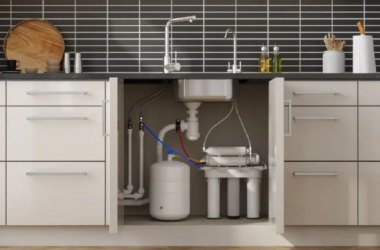
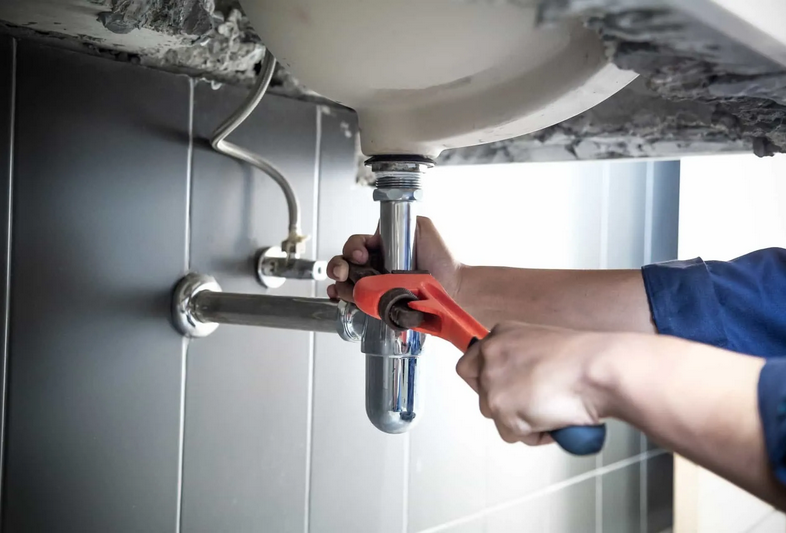
Cabinet spaces beneath kitchen and bathroom sinks can hide plumbing problems because they are not always part of a regular cleaning routine. Every few weeks, take a quick look at the pipes, supply lines, and surrounding cabinet floor.
Read More: What Questions Should You Ask Before Buying an RO Plant?
Watch for standing water, damp spots, discoloration, swelling, or a musty smell. These can indicate a slow leak that has been developing for some time.
Keep the area relatively clear as well. Storing too many cleaning products or household items beneath a sink can make it harder to notice a leak early and may put unnecessary pressure on exposed plumbing connections.
Pay Attention to Slow Drains
A drain that takes longer than usual to empty is often an early sign of buildup. In the kitchen, grease, food particles, and residue can accumulate inside pipes. Bathroom drains commonly collect hair, soap residue, and other debris.
Instead of waiting until a drain becomes completely blocked, treat slower drainage as a reason to investigate. Removing visible debris and keeping drain strainers clean can help reduce buildup.
Avoid relying heavily on harsh chemical drain cleaners. Frequent use can damage certain plumbing components and does not necessarily address the underlying cause of recurring blockages. If the same drain repeatedly slows down, professional evaluation may be a better approach.
Check Your Toilet for Signs of Trouble
Toilets can develop problems that are not immediately obvious. Listen for sounds such as periodic refilling when nobody has used the toilet. This can indicate that water is escaping from the tank into the bowl.
You can also check around the base of the toilet for moisture or discoloration. A toilet should remain firmly in place, so noticeable movement when you sit down or gently test it may warrant further inspection.
Inside the tank, make sure the components appear to be functioning properly and that the water level is not unusually high. Small adjustments or replacement parts can sometimes prevent unnecessary water loss.
Monitor Your Water Pressure
Changes in water pressure can provide useful clues about your plumbing system. If pressure suddenly becomes much weaker throughout the house, there may be an issue affecting the supply, a partially closed valve, mineral buildup, or another plumbing concern.
On the other hand, unusually high pressure can put additional stress on pipes, fixtures, and appliances connected to the water supply.
You do not need to measure pressure constantly, but it is helpful to notice changes from your home’s normal performance. If several fixtures experience a sudden and significant change at the same time, it is worth investigating rather than assuming the problem will disappear on its own.
Inspect Exposed Pipes
Exposed plumbing in basements, utility rooms, garages, and under sinks should be included in routine home inspections. Look for corrosion, mineral deposits, condensation, rust-colored marks, or visible cracks.
Older pipes may be more vulnerable to corrosion and deterioration. Even when a pipe is not actively leaking, visible damage can be an indication that it deserves closer attention.
Pay particular attention to connections and joints. These areas can develop leaks before there is any obvious problem along the main length of the pipe.
Know Where Your Main Water Shutoff Is
One of the most useful things a homeowner can know is the location of the main water shutoff valve. If a pipe suddenly bursts or a major leak develops, shutting off the water quickly can help limit the amount of water entering the home.
Read More: How to Choose a uPVC Window Manufacturer: A Complete Buyer’s Guide
Make sure the valve is accessible and that everyone in the household knows where it is. If the valve has not been operated in a long time, carefully check that it can be turned when needed. If it appears stuck or difficult to operate, professional assistance may be appropriate.
Knowing this simple piece of information can make a significant difference during an unexpected plumbing emergency.
Watch for Changes in Water Color or Odor
Changes in water appearance or smell should not automatically be ignored. Discolored water can sometimes occur after maintenance work or changes in the local water supply, but persistent changes may deserve investigation.
If water suddenly appears rusty, cloudy, or unusually colored and the issue does not clear, consider contacting the appropriate water provider or a qualified plumbing professional to determine the cause.
Similarly, an unusual odor from a drain may indicate organic buildup or another issue that needs attention. Persistent sewage-like smells should be investigated rather than covered with air fresheners or other temporary solutions.
Make Plumbing Checks Part of Seasonal Maintenance
You do not need to spend hours inspecting your plumbing every week. A short check every few weeks, combined with a more thorough inspection during seasonal home maintenance, can help you identify developing problems.
Before colder weather arrives, inspect exposed pipes and areas that may be vulnerable to freezing. During warmer months, check outdoor faucets, hoses, and visible connections for leaks or damage.
The most important habit is consistency. Small changes are easier to recognize when you are familiar with how your home’s plumbing normally looks, sounds, and performs.
When to Call a Professional
Routine maintenance can help homeowners identify potential problems, but not every plumbing issue should be handled as a DIY project. Persistent leaks, recurring drain blockages, sudden pressure changes, sewer-related odors, damaged pipes, and problems affecting multiple fixtures may require professional diagnosis.
Getting an issue checked early can also help prevent a minor plumbing concern from developing into a larger repair involving walls, flooring, cabinets, or other parts of the home.
A Few Minutes Can Prevent Bigger Problems
Plumbing maintenance does not have to be complicated. Checking faucets, sinks, toilets, drains, exposed pipes, and water pressure regularly can help you catch warning signs before they become emergencies.
The goal is not to fix every problem yourself. It is to understand your home’s plumbing well enough to notice when something has changed and know when professional help is the sensible next step. A few minutes of routine attention can go a long way toward keeping your home’s water system dependable and reducing the risk of unexpected damage.
Conclusion
Regular plumbing maintenance is a practical way to protect your home, prevent unexpected repairs, and maintain a dependable water system. Simple habits such as checking for leaks, inspecting exposed pipes, monitoring water pressure, cleaning drains, examining toilets, and knowing where the main water shutoff valve is located can make it easier to identify potential problems early.
Homeowners should also pay attention to unusual odors, water discoloration, damp cabinets, slow drainage, or changes in fixture performance, as these signs may indicate an underlying plumbing issue. While routine checks can help with preventative maintenance, persistent leaks, recurring blockages, damaged pipes, and major water pressure problems are best assessed by a qualified professional. A consistent plumbing maintenance routine ultimately helps reduce the risk of water damage while supporting a safer, more efficient, and comfortable home.