Think about what people look for when they build or renovate a home these days. Open kitchens, good lighting, smart appliances, a balcony with a view. Yet one thing gets pushed down the list far too often: the Doors and Windows. Most of us only notice them when something goes wrong, like a stuck sliding track, a leak during monsoon, or a lock that refuses to turn.
Here’s the thing, though. Doors and Windows decide how warm or cool your rooms stay, how much street noise sneaks in, how safe the house feels at night, and how the whole property looks from the road. Cheap or badly fitted ones turn into a long-running headache of repairs and bills.
That’s one big reason homeowners are moving to uPVC. It’s practical, it looks good, and it doesn’t demand constant attention. This is true even in extreme climates, which is why interest in a uPVC door and window in Ladakh keeps growing among people who need strong insulation and weather protection. Whether you’re building from scratch or giving an old house a facelift, the choice you make here will shape your daily comfort for years. So let’s look at why durability and low maintenance matter so much, and how to choose well.
1. Why Quality Matters More Than You Think
Doors and Windows connect the inside of your home to the outside world while keeping the weather out. A good window lets in daylight and fresh air. A solid door gives you privacy, security and easy access. When both are made from decent material and fitted properly, you stop thinking about them, which is exactly how it should be.
What They Do for Everyday Living
Their influence is wider than most people expect:
- Natural light: Well-placed windows brighten rooms and cut down daytime electricity use.
- Ventilation: The right opening style keeps air moving and stops rooms feeling stuffy.
- Security: Strong frames, sturdy locks and good hardware keep the house safer.
- Temperature comfort: Better frames and glass limit heat moving in or out.
- Noise control: Tight seals and suitable glass soften traffic and market sounds.
- Looks: The right style ties in with your flooring, walls and furniture.
A flat beside a busy road, for instance, will gain a lot from tightly sealed windows with acoustic glass. A house in a hot region needs designs that let air flow while keeping harsh sun out. So the decision isn’t just about appearance. It’s about how the home feels to live in.
Where Traditional Materials Fall Short
Wood and some metal systems have served homes for generations, but they ask for regular care, depending on finish, installation and weather exposure. The usual complaints are:
- Constant upkeep. Wood needs repainting, polishing or sealing. Painted metal frames need touch-ups once the coating chips.
- Moisture damage. Unprotected wood soaks up water and can swell, warp or rot.
- Metal parts left exposed to damp air corrode over time.
- Stiff operation. Weak hinges, tracks and locks make everyday use a chore.
- Leaks and drafts. Poor fitting or worn seals let air and rainwater through.
Each of these adds to your repair bill and wears down the convenience you wanted in the first place.
Why Durability Deserves Attention
Durability simply means how well a product keeps performing as the years pass. Before buying, look beyond the price tag. Check the material, the hardware, how it will be installed and what upkeep it needs. A durable setup means fewer repairs, smoother operation, a finish that stays fresh and better value in the long run.
2. Why uPVC Suits Modern Homes So Well
uPVC stands for unplasticised polyvinyl chloride, a rigid material now common in residential windows and doors. People like it for a few straightforward reasons: it handles moisture, needs little care, insulates reasonably well and comes in plenty of designs. You’ll find an uPVC door or a set of uPVC windows in apartments, independent houses and villas alike, in many colours and sizes.
Built to Last
Unlike raw wood, uPVC doesn’t soak up water. Unlike plain iron or steel, it doesn’t rust. When a profile is made and fitted properly, it holds its shape through normal weather and daily use. In practice that means:
- Resistance to damp and humidity
- No rusting of the frame material
- Handles routine wear and tear
- Works across different climates
- Rarely needs repainting
- Colour and finish stay put when quality material is used
One honest caveat: lifespan still depends on the profile, the steel reinforcement, the hardware and the fitting. A great material can still be let down by sloppy workmanship.
Easy on Your Weekends
Nobody wants to spend Sunday sanding and varnishing frames. uPVC surfaces are smooth, so a soft cloth, mild soap and water usually do the job. A simple routine is enough:
- Wipe dust off the frames
- Clean corners and grooves
- Keep drainage slots clear
- Clear the window tracks
- Check rubber gaskets and seals
- Test hinges, handles and locks
- Lubricate moving parts if the manufacturer suggests it
Stay away from harsh chemicals, scrubbing powders and strong solvents, since they can dull or damage the finish.
Comfort Indoors
Outdoor heat and cold find their way inside through weak spots, and windows are often the weakest. uPVC conducts heat far less than many metals, and multi-chamber profiles add to that. Paired with suitable glass and good seals, uPVC windows can cut heat transfer, reduce air leakage and help your fans, heaters or air conditioners work less. In colder places, double glazing helps hold warmth. In warmer ones, the right glass keeps solar heat in check. Remember that the whole system matters, not only the frame.
A Quieter Home
If you live near traffic, construction or a market, you already know how tiring constant noise can be. High quality uPVC windows with proper seals, minimal gaps and the right glass can make bedrooms and home offices noticeably calmer. Ask about laminated glass or specific double-glazing combinations if noise is your main worry.
Safer by Design
A well-built system can include multi-point locks, reinforced sections, strong hinges and secure glazing. But a sturdy frame alone isn’t a guarantee. The glass, the lock, the fitting and the wall around it all count. For a main entrance especially, choose a door designed for the security level you need.
Weather Protection
India throws everything at a house: heavy rain, humidity, dust, strong sun and big seasonal swings. uPVC resists moisture, doesn’t rot and doesn’t rust, and good drainage channels and seals help manage rainwater. It’s still wise to confirm that the drainage, specs and fitting are right for your region, particularly where rain is heavy.
3. Popular Styles Worth Considering
You can match the style to your room size, airflow needs and taste.
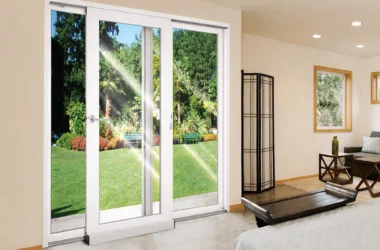
Sliding systems. These slide along a track, so they’re great where a swinging door would eat up space. Balconies and bedrooms love them. They offer big glass areas, a clean look and easy access outdoors. A sliding uPVC door opening onto a balcony is a very popular choice for flats.
Casement windows. Hinged to the frame and opening outward or inward, they ventilate well, seal nicely and operate simply. They work in bedrooms, kitchens and living rooms, and can be combined with fixed glass for wider openings.
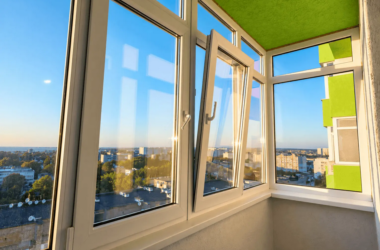
Tilt-and-turn windows. Two functions in one: tilt from the top for gentle airflow, or swing inward from the side for full opening. They’re handy to clean and suit contemporary homes.
French doors and windows. Elegant, with large glass panels and wide openings. They shine in villas, gardens and spacious balconies, bringing in light and linking rooms with the outdoors.
Entrance doors. Your front door sets the tone for the whole house. Modern uPVC doors come in panel styles, glazed designs and mixed solid-and-glass layouts, along with sliding patio and French-style options. Whatever you pick, put security hardware, reinforcement and proper installation ahead of looks.
4. What to Check Before You Buy
A beautiful design means little if the material, hardware or fitting is poor. Go through these points first.
Profile and Construction
Ask about profile specifications, wall thickness, chamber design, steel reinforcement, surface finish, testing, certifications and warranty. Don’t decide on looks or price alone. Ask for clear, written details about what’s actually going into your order.
Hardware and Locks
Handles, hinges, rollers, locking points and tracks are what you touch every day. Weak hardware leads to jammed windows, loose handles and misalignment. Pick reliable components and make sure spares and servicing are available.
Glass Choices
| Glass type | Main benefit | Best use |
| Single glazing | Basic daylight | General use |
| Double glazing | Better heat and sound control | Bedrooms, living rooms |
| Laminated glass | Added safety and noise reduction | Doors, security-focused areas |
| Toughened glass | Higher impact strength | Glazed doors and windows |
| Tinted glass | Reduces glare and solar heat | Sun-facing rooms |
Your climate, the direction your home faces, safety needs and budget should guide the choice.
Installation
Even the best product underperforms if it’s fitted badly. Poor installation causes leaks, gaps, misalignment, damaged seals and weaker insulation. Before you confirm an order, talk through site measurements, timelines, finishing work and after-sales support.
Picking the Right Maker
A trustworthy uPVC company should offer solid product knowledge, quality manufacturing, design variety and installation help. Look at how long they’ve been around, what range they offer, the profile and hardware they use, their warranty and their past projects. The best uPVC window company isn’t automatically the cheapest. Aim for the one that combines quality, honest advice and dependable service.
5. Why the Manufacturer Matters
Manufacturing quality shapes how a window behaves ten years down the line. A good maker uses the right materials, follows proper processes and runs checks at each stage. An experienced one can also advise you on profile choice, glass, opening styles and sizes, which is a big help if you’re building a villa or a larger home.
Read More: The Hidden Savings in Your Pipes: How Regular Plumbing Maintenance Prevents Costly Disasters
Companies such as APL Apollo Doors and Windows, for example, are worth including in your comparison because they combine in-house expertise with a wide range of configurations. That range covers white and coloured profiles, wood-effect finishes, fixed-plus-opening combinations, different glass options and custom sizes, so a compact apartment and a sprawling independent house can both get what suits them.
If you’re shopping for a uPVC door company, ask the same questions you’d ask any serious supplier: how long they’ve worked in the field, what hardware they use, what the warranty covers and whether they handle installation.
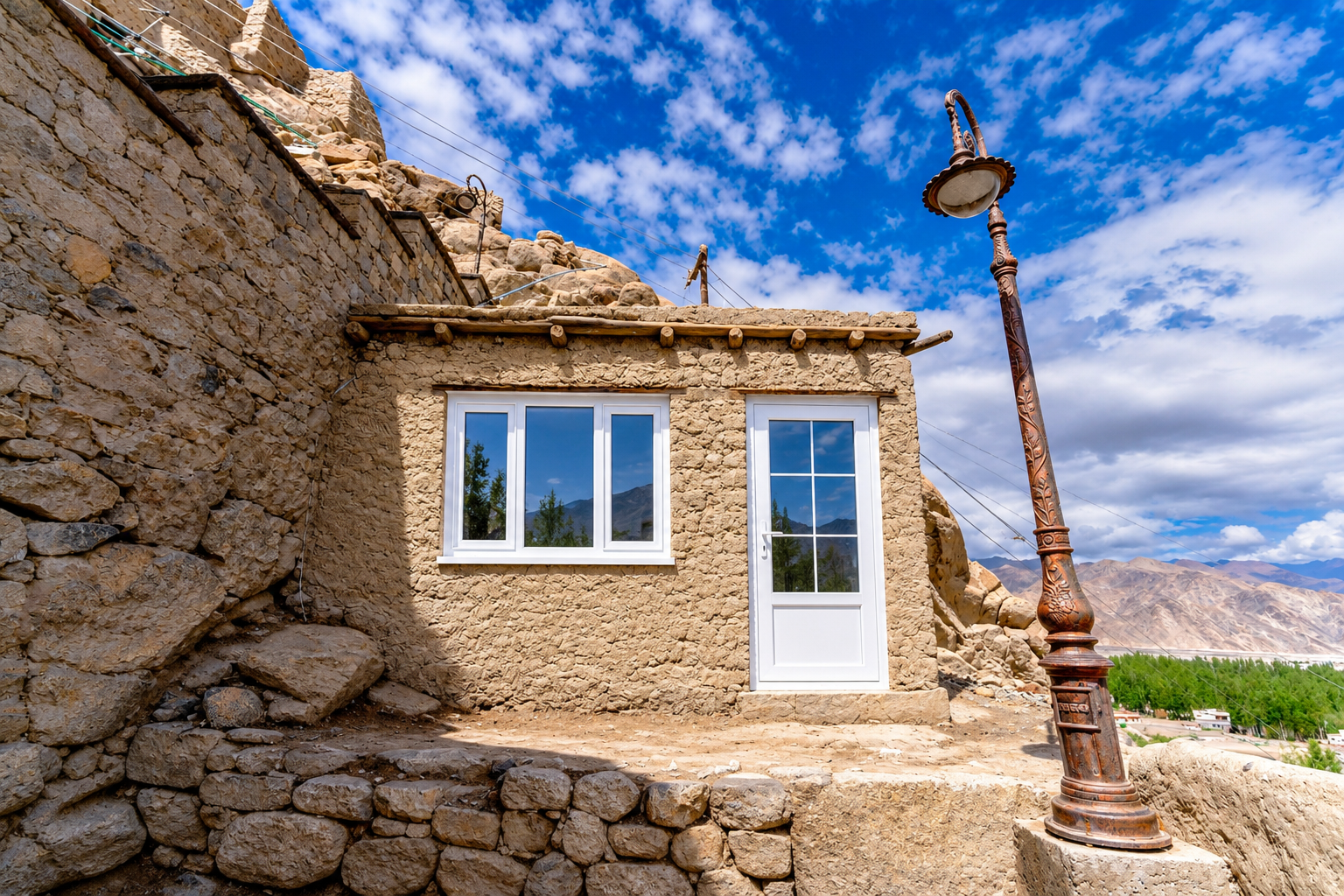
Climate adds another layer. Anyone looking for a uPVC doors and windows manufacturer in Ladakh should focus on products suited to extreme cold, big temperature swings and the practical limits of installing in the region. Likewise, if you’re comparing a uPVC door and window in Ladakh, look closely at insulation performance, glazing, frame specification, weather seals and hardware quality. Choose based on real site conditions, not generic claims.
For general guidance on energy-efficient building, you can also visit the Bureau of Energy Efficiency (BEE), an official Indian government body that shares resources on the topic.
6. A Smart Long-Term Investment
It’s tempting to judge Doors and Windows by the first price you see. But a cheap set that needs frequent repairs or early replacement costs more over time. A well-made, properly installed system usually wins on value. Here’s why:
- Lower upkeep costs. Less painting, polishing and material-related repair.
- Better comfort. Good frames, glass and seals keep rooms steadier through the seasons.
- Better looks. Clean, modern designs lift the whole property.
- Everyday convenience. Smooth sliders, solid handles and dependable locks make life easier.
- Possible energy savings. Fewer drafts and less heat transfer can reduce heating and cooling needs, depending on your building and climate.
- Quality materials and skilled fitting prevent the usual problems.
Before deciding, write down your priorities:
| Your need | What to look at |
| Low maintenance | Quality uPVC frames |
| Better insulation | Multi-chamber profiles and suitable glazing |
| Less noise | Acoustic glass and tight sealing |
| Contemporary look | Sliding and modern casement styles |
| Security | Good locks and proper reinforcement |
| Balcony access | Sliding or French doors |
| Cold climate | Thermal performance and weather seals |
No single product fits every house. Your location, architecture, budget and daily habits should drive the final call.
Conclusion
Today’s homes need doors and Windows that do more than look nice. They should last, resist the weather, keep you secure, hold temperature and fit your style without demanding constant attention. uPVC delivers on much of that through moisture resistance, easy cleaning, design variety and insulation potential, across everything from small flats to large villas.
Still, results depend on material quality, manufacturing standards, hardware, glazing and careful installation. So compare a few manufacturers, be clear about what your home needs and choose products built for lasting value. Spending wisely on durable, low-maintenance Doors and Windows now will keep your home comfortable, secure and good-looking for years.
Frequently Asked Questions
Q1. Which is the best brand for uPVC doors and windows?
Ans. APL Apollo Doors and Windows is a strong choice, offering quality profiles, modern designs and reliable hardware. Compare specifications and warranty before you decide.
Q2. Which is the best brand for uPVC doors and windows in Ladakh?
Ans. APL Apollo Doors and Windows is a good option for Ladakh, with frame and glazing choices suited to cold climates. Confirm insulation performance and installation support for your area.
Q3. Are uPVC products suitable for Indian weather?
Ans. Yes, quality ones work well in many Indian conditions, including humid, rainy and hot areas. Just make sure the profile, glass, hardware and fitting match your local climate.
Q4. Are they easier to maintain than wood?
Ans. Generally, yes. There’s no regular painting or polishing, and mild soap and water usually suffice. Still, check the hardware, tracks, drainage slots and seals from time to time.
Q5. How do I choose the best uPVC window company?
Ans. Compare experience, profile quality, hardware, product range, installation service, warranty and support. Ask for specifications and references from earlier projects.
Read More: Why Modern Doors and Windows Are Perfect for Contemporary Homes