
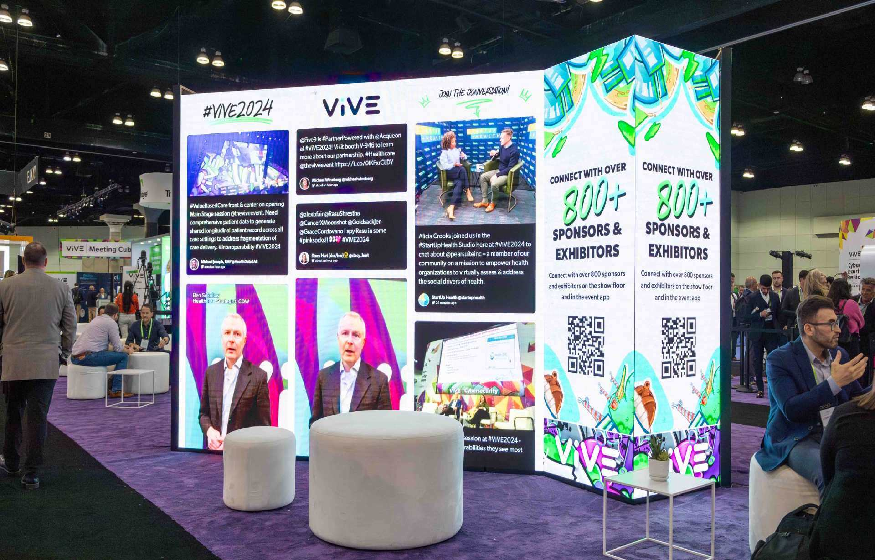
In today’s fast-paced digital world, event organisers are constantly looking for innovative ways to engage attendees, streamline operations, and leave a lasting impression. One technology that has become indispensable in this quest is digital signage. Whether it’s an international conference, a corporate exhibition, or a local trade show, digital signage has proven to be essential in enhancing the attendee experience. Here’s why.
1. Real-Time Information Delivery
One of the most significant advantages of digital signage at events is the ability to deliver real-time information. Traditional signage, such as printed posters or flyers, can quickly become outdated or fail to address immediate changes. For example, when schedules change, room locations shift, or speakers are delayed, digital screens can be instantly updated to reflect the most current information. This flexibility ensures that attendees are always informed, reducing confusion and frustration.
During large-scale events, especially those with multiple sessions or stages, digital signage allows for seamless communication of key details, such as session times, speaker biographies, and location changes, keeping the flow of the event uninterrupted.
2. Enhanced Branding and Visual Appeal
In the competitive world of event marketing, creating a memorable and visually appealing atmosphere is crucial. Digital signage allows event organisers to enhance their branding efforts by displaying high-quality visuals, videos, and dynamic content. Logos, sponsor messages, and promotional videos can be showcased across various touchpoints, making it easier to create a cohesive brand experience throughout the venue.
The flexibility of digital displays means they can be tailored to different aspects of an event. For example, large screens at the entrance can welcome attendees, while smaller screens in breakout areas can provide interactive content, helping to reinforce the event’s overall theme and tone.
3. Interactive Experiences
Interactivity is a key element of modern event experiences, and digital signage provides an excellent platform for this. Touchscreen kiosks and interactive displays allow attendees to engage directly with content. They can navigate through event agendas, find information on exhibitors, or even participate in polls and surveys. This creates a more immersive experience and encourages active participation.
Additionally, digital signage can be integrated with mobile apps or event-specific software, enabling attendees to interact with the displays through their smartphones. This creates a seamless connection between the physical and digital worlds, enhancing the attendee experience further.
4. Improved Event Navigation
At large-scale events, navigation can often be a challenge. With numerous rooms, stages, and exhibitor booths spread across vast areas, attendees may struggle to find their way around. Digital signage helps to solve this problem by providing interactive wayfinding solutions. Touchscreen maps and digital directories make it easy for attendees to find their destination quickly, while dynamic content can display directions in real-time.
Additionally, digital signage can provide important updates, such as room changes or cancellations, directly to attendees as they navigate the venue. This helps to minimise frustration and ensures that guests don’t miss out on important sessions or networking opportunities.
5. Sustainability Benefits
In an era where sustainability is a growing concern, digital signage offers an eco-friendly alternative to traditional printed materials. Reducing the need for paper flyers, posters, and brochures not only cuts down on waste but also lowers the overall environmental footprint of an event. With digital signage, organisers can display content that would typically require large quantities of printed materials on just a few screens, making it a more sustainable choice for environmentally-conscious events.
Moreover, digital displays can be reused across multiple events, further reducing the need for new materials and contributing to cost savings over time.
6. Engaging Content for Social Media Integration
Modern events thrive on social media buzz, and digital signage can play a pivotal role in amplifying this. Social media walls, powered by live feeds from platforms like Twitter and Instagram, allow event organisers to display real-time posts from attendees, exhibitors, and speakers. These displays not only encourage attendees to share their experiences but also help create a sense of community and excitement around the event.
In addition, event organisers can use digital signage to promote event hashtags, engage attendees with interactive campaigns, and display highlights from social media in real-time, keeping the buzz alive throughout the duration of the event.
7. Analytics and Insights
Digital signage is more than just a tool for communication; it’s also a powerful data-gathering tool. With the ability to integrate analytics, organisers can track which content performs best, how long attendees engage with specific displays, and even how many people interact with certain screens. This data can be invaluable for improving future events, ensuring that organisers can fine-tune their content and strategies based on attendee preferences.
Read More: Landscape Contractors Columbus Ohio: How to Plan Your Outdoor Design This Summer
For example, if an event organiser notices that a particular type of content, such as speaker highlights or sponsor messages, generates more engagement, they can adjust their content strategy accordingly for future events.
For wider commercial, hospitality, or public-facing projects, small supporting details can make the finished space feel more complete. Composite decking can provide a durable, low-maintenance surface for terraces, entrances, outdoor seating areas, and customer-facing spaces; while hand dryers can support cleaner, more efficient washroom facilities.
Conclusion
As the demand for more engaging, efficient, and sustainable event experiences continues to rise, digital signage has become a crucial tool in meeting these needs. From real-time updates and interactive features to enhanced branding and improved navigation, digital signage elevates the attendee experience and helps organisers optimise their events. As technology continues to evolve, it’s clear that digital signage will remain an integral part of modern event design, helping to shape the future of the event industry for years to come.
Incorporating digital signage into your event could be the key to creating a seamless, engaging, and memorable experience that resonates with attendees long after the event has concluded.