Winter is when a home’s weak points tend to show themselves. Heating systems that have sat idle all summer get switched on and immediately start playing up, pipes that were fine in warmer months suddenly freeze and crack, and damp that’s been quietly building for months becomes impossible to ignore once the windows stay shut for weeks at a time. For homeowners, knowing what’s ordinary seasonal wear and what’s actually a sign of an unresolved defect can save a lot of money and stress.
Here’s what’s worth keeping an eye on as the weather turns, and what your options are if something’s gone properly wrong.
Heating systems that aren’t pulling their weight
A boiler that takes ages to heat up, radiators that stay cold at the top, or a system that keeps losing pressure are all signs something isn’t right — and in a badly insulated or poorly installed system, running costs can spiral fast once the heating’s on constantly. If a fault traces back to poor installation or a defect that should have been caught during a survey or previous repair, it’s worth looking into heating and boiler claims to understand whether the cost of putting it right is recoverable.
It’s worth bleeding radiators before assuming the worst — cold patches at the top are often just trapped air, and a five-minute job with a radiator key resolves it completely. But if bleeding doesn’t fix the problem, or the same radiators keep needing it repeatedly, that usually points to a sludge or corrosion issue within the system that a quick DIY fix won’t solve, and is worth having looked at properly before the coldest part of winter arrives.
Frozen and leaking pipes
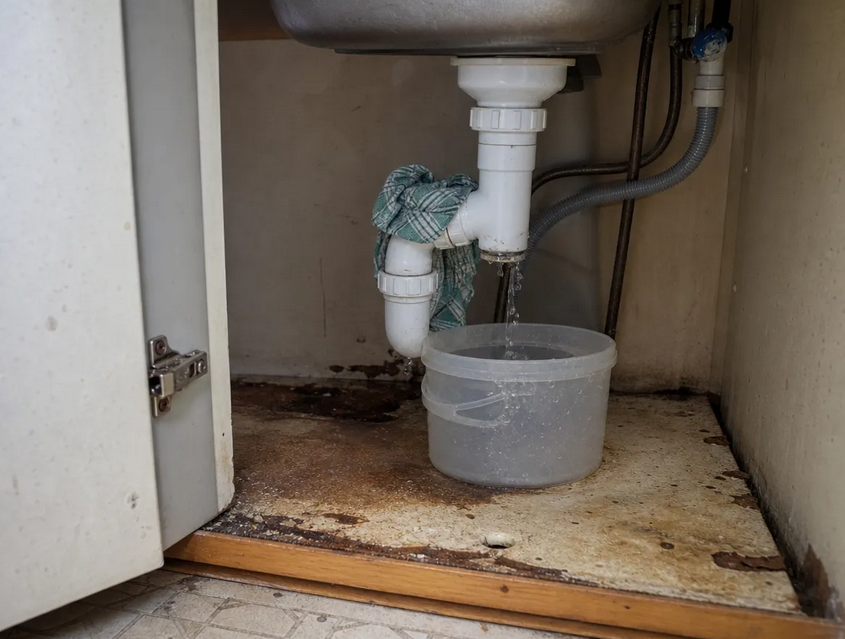
Exposed or poorly lagged pipework is a classic winter failure point — a pipe that freezes overnight can crack and then leak steadily once it thaws, often somewhere hidden like a loft or under a floor. By the time it’s noticed, there can be real water damage to deal with alongside the leak itself. Persistent or recurring plumbing failures, especially in a newer property, are worth investigating through plumbing and drainage claims if the underlying cause points to substandard work rather than normal wear and tear.
Simple preventative steps go a long way here: keeping the heating on a low constant setting rather than switching it off entirely during a cold snap, insulating exposed pipes in lofts and garages, and knowing where your stopcock is in case you do need to shut off the water quickly.
Read More: What to Look for in uPVC Windows and Doors Manufacturers in West Bengal
That said, prevention only goes so far if a property was poorly plumbed to begin with — pipework that was never properly lagged during construction, or that runs through an uninsulated void it shouldn’t, is a defect rather than bad luck, and worth pursuing as one.
Damp that gets worse with the windows shut
Condensation and damp are far more noticeable in winter simply because homes are sealed up tighter, with less airflow to carry moisture away. If you’re seeing damp patches, peeling paint, or black mould spreading in the same spots every year despite reasonable ventilation, that’s usually a sign of an underlying issue rather than just seasonal condensation. It’s worth revisiting whether damp and mould claims apply, particularly if a survey or recent building work should have identified the cause.
It’s worth distinguishing between condensation, which tends to appear on cold surfaces like windows and external walls and can often be managed with better ventilation, and rising or penetrating damp, which tends to show as a tide mark near skirting boards or a persistent patch that doesn’t respond to normal ventilation improvements. The second kind almost always points to a structural or building defect rather than simply needing to open a window more often, and treating it as the former when it’s actually the latter tends to waste a season before the real cause gets addressed.
Don’t ignore the smaller warning signs
A slightly musty smell in a cupboard, a window that won’t quite close properly once the temperature drops, or a radiator that’s noticeably less effective than it used to be are all easy to write off individually. Together, though, they’re often the first indications of exactly the kind of problem worth investigating before it gets worse.
Read More: How Schools Are Ensuring Water Safety With Commercial Water Filters
Keeping a simple note of when you first notice something, and whether it’s happened before, makes it much easier to spot a genuine pattern rather than dismissing each issue as a one-off.
Ventilation matters more than most homeowners assume
It’s a common instinct to keep everything sealed up as tightly as possible once the weather turns cold, but poor ventilation is one of the biggest single contributors to winter condensation and mould. Trickle vents left permanently closed, extractor fans that don’t actually vent outside, and a habit of drying laundry indoors without any airflow all add moisture to the air with nowhere for it to go. This doesn’t mean every damp problem is down to lifestyle rather than a building defect — plenty genuinely aren’t — but it’s worth ruling out before assuming the worst, since a straightforward change in habits sometimes resolves what looks at first like a much bigger issue.
Draughts and heat loss that add up over a winter
A draughty letterbox or gap under a door isn’t usually a defect worth pursuing on its own, but a home that’s persistently cold no matter how much the heating runs — despite reasonable insulation and a working boiler — is a different matter. This kind of ongoing heat loss often points to a specific, identifiable cause: missing or degraded insulation, a poorly fitted door or window, or gaps around pipework and cabling that were never properly sealed during construction. Over a full winter, the extra cost in energy bills from a genuine defect like this can be substantial, and it’s the kind of issue that’s easy to simply accept as “an old house being an old house” rather than recognising it as something that should have been addressed properly when the property was built or last renovated.
Why winter is when these problems are easiest to prove
There’s a practical upside to dealing with damp, heating and plumbing issues during the colder months: they’re often at their most visible and most active in winter, which makes them easier to document properly. A damp patch that’s barely noticeable in August can be dramatically worse by December, and a photograph taken during the peak of the problem is far more useful evidence than one taken once things have dried out over summer. If you’re planning to pursue a claim, winter is genuinely the best time to gather the evidence, even if the process of resolving it takes longer.
Getting a proper answer, not a guess
It’s easy to assume these problems are just “part of owning an old house,” but a lot of winter home issues trace back to something that should have been fixed properly the first time. Rather than guessing whether it’s worth pursuing, a quick check with a free claims calculator gives a fast, no-obligation read on whether your situation is worth a closer look before winter makes the problem worse.