Maintaining a comfortable and healthy indoor climate is a critical component of successful business operations. For office buildings and retail spaces, temperature control directly impacts occupant productivity, customer satisfaction, and overall revenue. Large-scale properties rely on intricate mechanical networks that must handle high foot traffic and varying electronic heat loads daily. When these systems falter, the resulting disruptions can lead to lost profits, unhappy employees, and potential product damage. Understanding the best methods for keeping your facility cool in the summer and warm in the winter is essential for long-term property management.
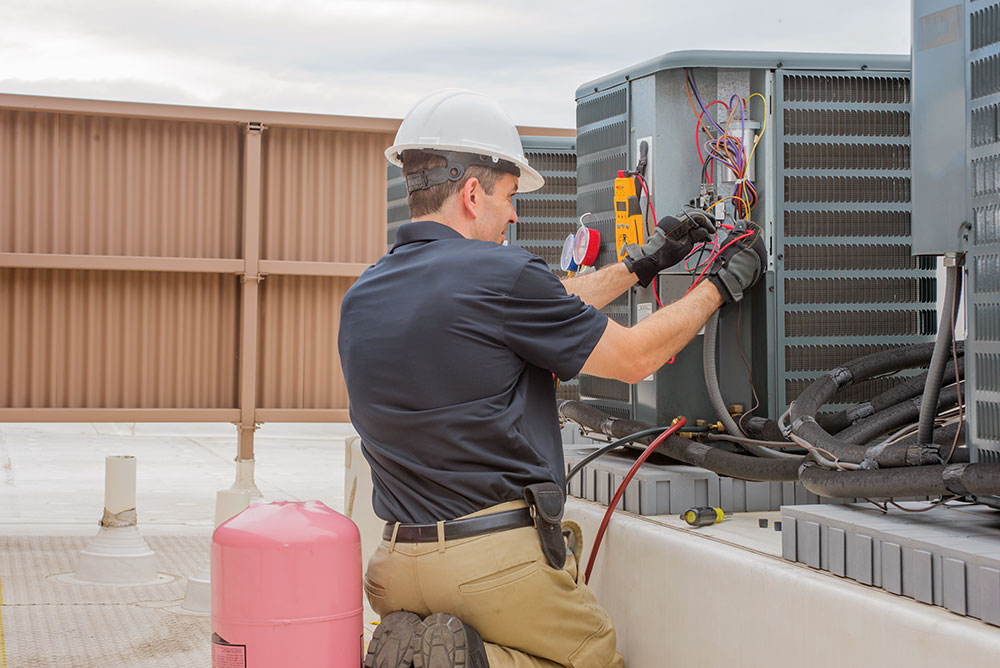
Investing in proactive maintenance and swift diagnostics is the best way to keep your operations running smoothly. Partnering with an experienced provider for your commercial HVAC service ensures that minor component wear is addressed before it leads to a total system shutdown. Unlike smaller residential setups, business climate systems feature unique zones and heavy-duty compressors that require specialized knowledge to repair effectively. A dedicated focus on your facility’s climate infrastructure protects your financial investment and keeps your tenants comfortable year-round.
Common Climate System Challenges in Business Properties
Office buildings often experience rapid temperature fluctuations due to changing occupancy levels and heat from computers, servers, and lighting. Retail spaces face a different challenge, as constantly opening entrance doors allows large volumes of unconditioned outdoor air to enter the building. These factors put immense pressure on the cooling coils and blower motors, leading to accelerated wear on belts and electrical contactors.
Resolving Air Balancing Discrepancies
Air balancing is a frequent issue where some office suites feel like iceboxes while others remain uncomfortably warm. This problem usually stems from leaks in the ductwork, failing dampers, or an outdated thermostat configuration. Repairing these imbalances involves adjusting the static pressure within the vents and ensuring that the variable air volume boxes are functioning correctly.
Addressing Refrigerant Leaks and Motor Strain
When a system struggles to maintain the set temperature, a refrigerant leak or a failing compressor is often the culprit. Low refrigerant levels cause the system to run continuously, driving up electricity costs and putting unnecessary strain on the fan motors. Timely leak detection and coil cleaning can restore the unit’s thermal transfer capability quickly.
Predictive Repair Strategies for Maximum Lifespan
Waiting for a system to break down before calling a technician is an expensive approach to facility management. Implementing a predictive repair strategy allows you to schedule component replacements during off-hours, completely eliminating disruptive downtime during regular business hours.
Securing a comprehensive contract for commercial HVAC service is the most reliable way to monitor the health of your equipment. Technicians use advanced tools like thermal imaging and vibration analysis to check the status of internal bearings and electrical circuits. This proactive oversight allows you to replace a wearing part for a fraction of the cost of an emergency repair, while keeping utility bills stable.
- Lower Monthly Energy Bills: Clean coils and calibrated controls allow the system to use the minimum amount of power necessary.
- Fewer Emergency Service Calls: Catching minor electrical faults early prevents sudden component blowouts during peak weather events.
- Extended Equipment Durability: Regular lubrication and belt adjustments can add several years to the operational life of heavy machinery.
- Maintained Manufacturer Warranties: Documented professional service protects your eligibility for free replacement parts under factory warranties.
- Better Indoor Air Quality: Routine filtration updates remove dust, viruses, and outdoor pollutants before they reach your clients.
Optimizing Controls and Smart Building Integration
Many modern offices and retail centers are upgrading to smart building management systems that connect the climate controls with lighting and security features. These intelligent systems provide real-time alerts when a particular unit is operating outside of its normal parameters, allowing for immediate repair initialization.
Utilizing Smart Thermostats for Savings
Smart thermostats allow managers to set tight schedules, ensuring that energy is not wasted on cooling empty conference rooms overnight. They can also track historical runtimes, helping technicians pinpoint exactly which units are working too hard. This data-driven approach simplifies budget planning for future mechanical upgrades.
The Value of Regular Filter Rotations
In busy retail environments, filters accumulate dust and clothing fibers much faster than in regular office spaces. Changing these filters every thirty days is a simple habit that prevents airflow restriction and keeps the blower motor from overheating. It also directly protects the cleanliness of your merchandise.
- Program Nighttime Setbacks: Allow the indoor temperature to rise or fall during closed hours to significantly cut weekly power consumption.
- Check Economizer Dampers: Ensure these vents open correctly to use cool outdoor air for natural ventilation when conditions allow.
- Inspect Condensate Drains: Clear out slime and debris annually to prevent water leaks from damaging expensive ceiling tiles.
- Clean Outdoor Intakes: Keep the area around rooftop units free of leaves and trash to maintain unrestricted system breathing.
- Calibrate Zone Sensors: Verify that individual room thermostats are reading temperatures accurately to prevent unnecessary unit cycling.
Conclusion
Managing an office or retail climate system requires regular filter changes, professional inspections, and smart technological integration. Implementing predictive repairs and utilizing detailed load calculations prevents unexpected system failures and keeps utility costs low. Prioritizing efficiency through consistent component calibration protects your capital investment and maintains an inviting atmosphere for employees and customers alike. Partnering with certified specialists for routine system checkups ensures your business remains comfortable, productive, and highly energy-efficient throughout every season of the year.